The BigChilli
  • Home
  • News
  • Promotions
  • Features
  • Social Events
  • About Us
    • About Us
    • The team
    • Pricavy Policy
  • Contact us
  • Blog

9 things to do From Surawong Road to the banks of the Chao Phraya River

18/1/2019

Comments

 
Picture
Built during the reign of King Rama V, Surawong Road is one of Bangkok’s most vibrant and historic business neighborhoods.

​
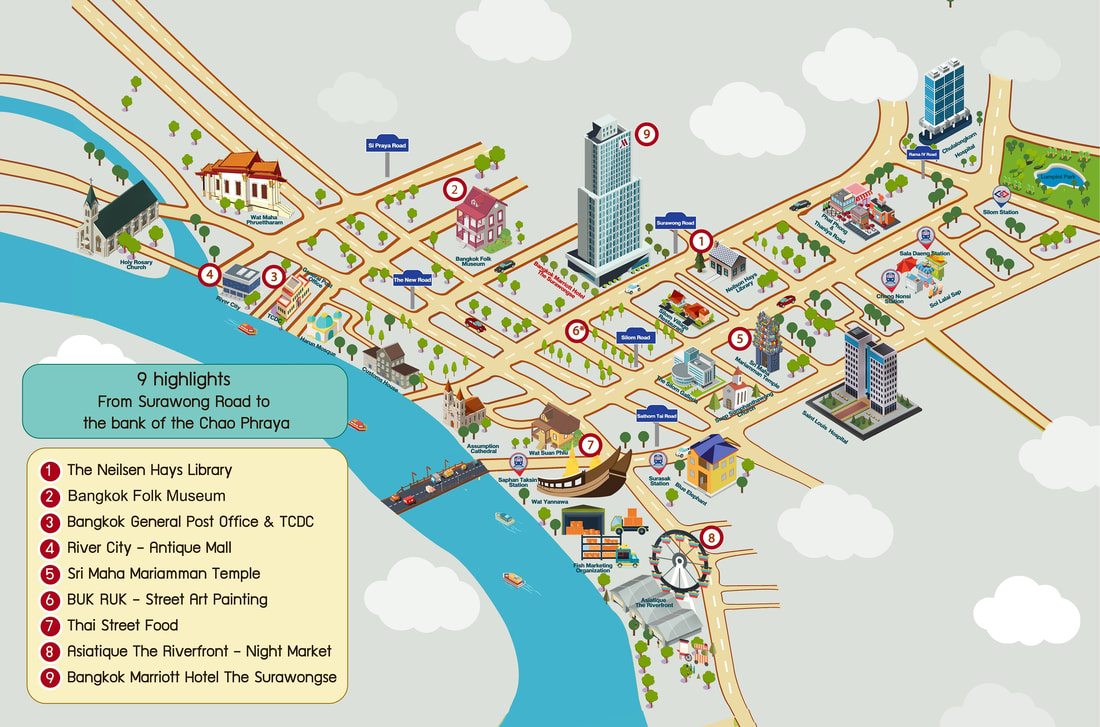
Connecting to the first road ever built in Bangkok, The Charoen Krung Road, and also to the banks of the Chao Phraya River, Surawong Road is revered as the Creative District. Thanks to its heritage, classic architecture, contemporary designs and authentic local food, this road is a cultural yet contemporary tourist destination. Here are 9 highlights of this area that you should not miss. 
1.  The Neilson Hays Library – the monument of love
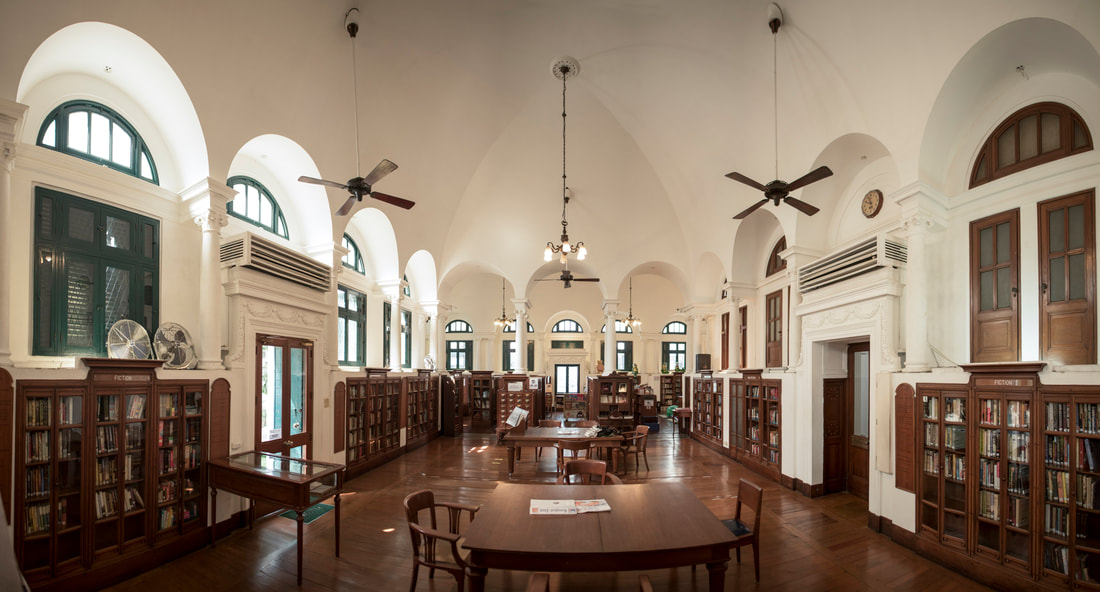
Amid the bustling business district, is a quaint neoclassical building called The Neilson Hays Library. Established in 1920, the library is a monument of love, by Dr. Thomas Heywood Hays, the former Chief of the Royal Thai Navy Hospital and the first medical professor of Siriraj Hospital, in loving memory of his wife, Jennie Neilson, an avid reader, who devoted herself to library work until her last days. The elegant structure was designed by Mario Tamagno, an Italian architect, responsible for numerous landmarks around Bangkok such as the Ananda Samakhom Throne Hall, Hua Lamphong Train Station, Makkawan Rangsan Bridge, and Phayathai Palace. The construction was executed with the same meticulous approach as those used with the aforementioned landmarks, prompting the public to call it “a grand palace on a small scale”. The still functional library offers more than 20,000 books for keen booklovers, and a gallery and café that have played host for special events and functions. It was awarded the status of “Historic Landmark” by the Association of Siamese Architects in 1986.
 
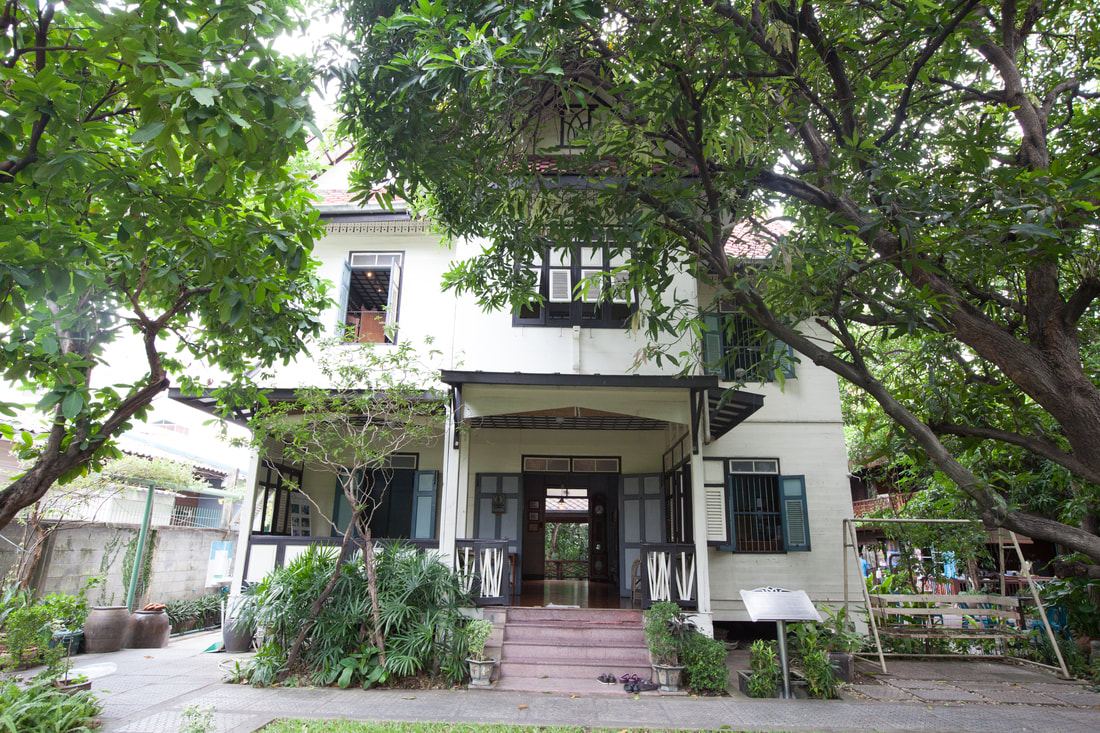
2. Bangkok Folk Museum – Bangkokians’ treasured history Bangkok Folk Museum, also known as Bangkokian Museum, is originally home to Professor Waraporn Surawadee who donated to property to become a museum that offers an insight into the lifestyles of Bangkokians amid lush, green garden. Located in the heart of bustling Bang Rak District that is now filled with commercial buildings and skyscrapers, Bangkok Folk Museum is a rare sanctuary that is open to the public for free. Visitors can also learn about the history of the house as well as Bangkok from knowledgeable staff members who will show you around and share delightful and fun stories along the way.
 
Bangkok Folk Museum offers an insight into the lifestyles of well-off Bangkokians during World War II and its aftermath (circa 1937 – 1957). The museum consists of three zones in three quarters with display many of the possessions of original family members in good condition as well as memorabilia from early Rattanakosin Era and art pieces.
Read More
Comments

THE CAVEMAN OF PHANG NGA BAY

11/1/2019

Comments

 
Picture
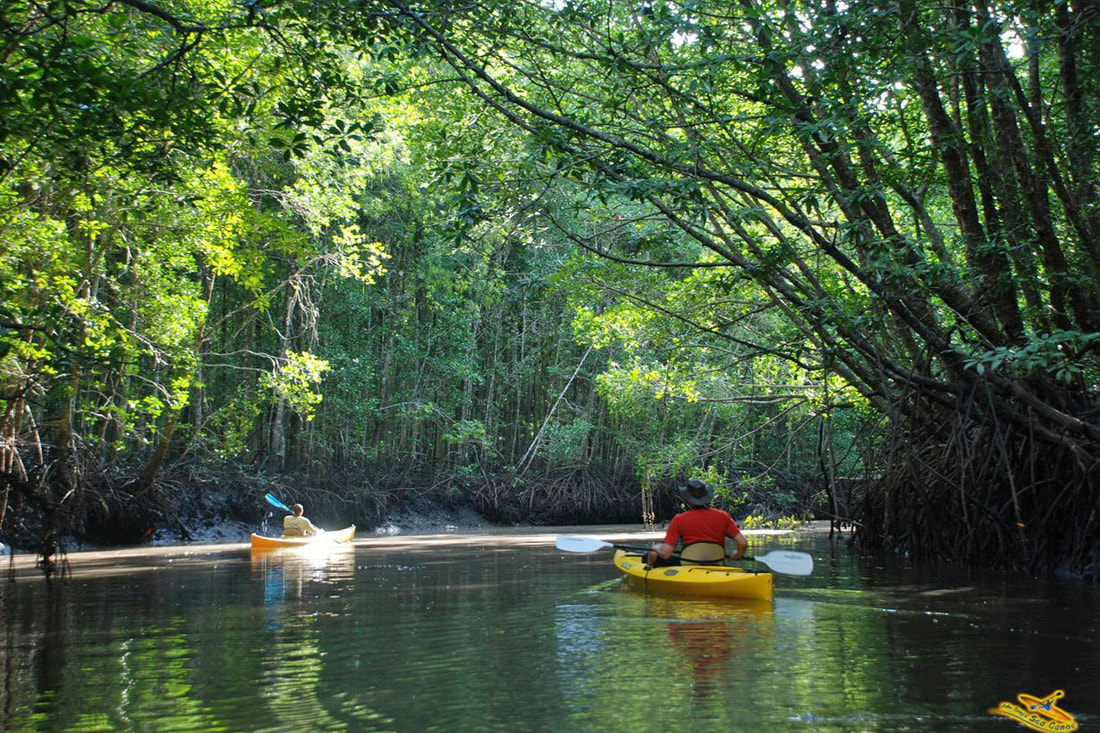
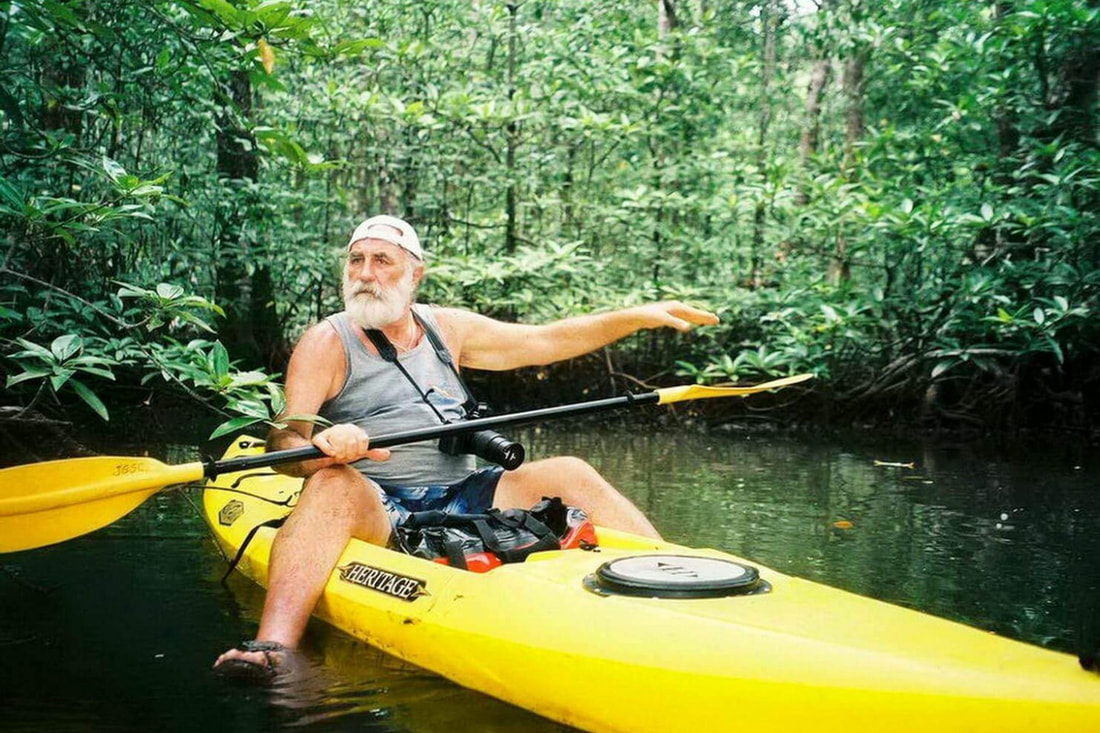
John Gray, the internationally acclaimed Californian adventurer and Nature-lover whose passion for kayaking is helping to protect an area of outstanding beauty
​By Barry Daniel
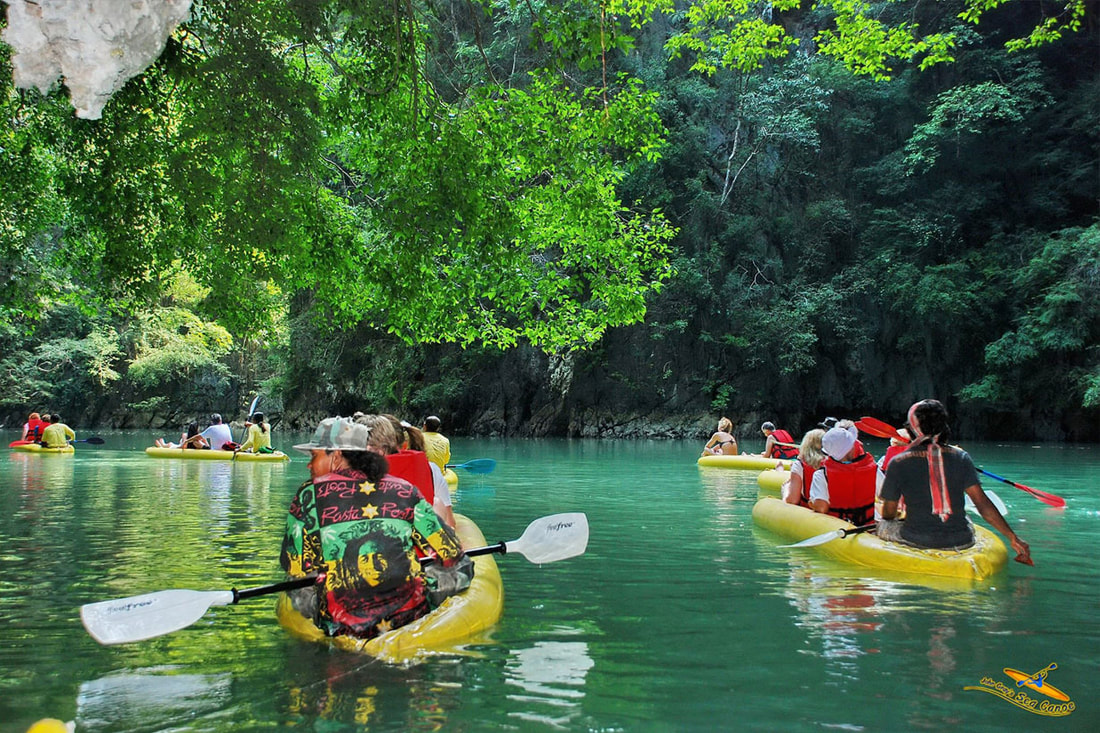
JOHN GRAY is a giant of a man, both in reputation and personal stature. He’s affectionately known as ‘The Caveman’ for his pioneering work in bringing the adventure sport of sea kayaking to the caves, lagoons and hongs of Phang Nga Bay in southern Thailand.
 
Alternatively, you’ll hear him teasingly called ‘Ling Yai,’ literally ‘big monkey’ in Thai. He’s certainly big (close to two metres tall and weighing 110 kilos) and indeed he is rather hairy and even aged 72, John still has great strength and dexterity, so the monkey moniker is pretty apposite!
 
There have been endless documentaries and films made about his exploits and his passionate stance on environmental protection. The Discovery Channel, Animal Planet, National Geographic magazine, all the big names have come calling upon the Andaman and the Cavemen’s door to seek out and promote this larger-than-life personality and his amazing kayaking adventures.
 
John hails from southern California and had an extraordinary upbringing being totally immersed in environmentalism and adventure from an early age. John’s parents met on a Sierra Club outing, and his mother was tremendously important in John’s early life.
 
“She was the greatest influence on my life and was truly a visionary. We were a sixth generation Los Angeles family and I remember when I was about five that our house was the local drop off point for the Audubon Society. It was a menagerie full of birds and abandoned or damaged animals. Ma would lavish tender care on all the animals and teach us about them at the same time. My love of Nature comes directly from her.”
 
John’s mother was also a very forward looking free thinker with strong egalitarian principles. “When I was twelve,” Ma said,” I was old enough to go ‘religion shopping’.

She took me around, Sunday after Sunday, to all the churches in the neighbourhood. She helped me understand what each religion had to offer and believed, and then left it up to me to decide for myself.
 
“So what religion are you now, fifty odd years later?” I asked. John laughed mischievously, “Oh, a bit of a humanist, with a dash of agnostic and a side sauce of Buddhism.”

Read More
Comments

Heritage buildings transformed into poshtels for flashpackers

30/11/2018

Comments

 
Picture
Old buildings that have outlived their original purpose but cannot be knocked down for various reasons are being converted into trendy hotels and guest houses for a new breed of traveller.
By Ken Barrett
​THE Prince Theatre was once the life and soul of Bangrak. Tucked away up a little alley off Charoen Krung Road, it had opened as a Chinese opera house in 1912. It actually became a bit too much fun, and was closed by officialdom a few years later, but reopened in 1917 as a cinema screening silent films, the audiences packed onto wooden benches and live dubbers improvising dialogue.
 
The Prince was one of Asia’s oldest cinemas. When the era of talkies came it rolled with the times, screening Hollywood  lassics, but the onslaught of malls and multiplexes eventually took its toll, and the distinguished old theatre declined
into showing nudie films before finally giving up and locking its doors.
 
Its location probably saved the Prince from being demolished, crammed as it is on a small footprint of land amongst shophouses.

But still, we live in changing times. The rise of the budget airlines has caused a new breed of tourist to evolve, and consequently demand for a new kind of accommodation. Not hostels, exactly, but poshtels; and not backpackers, but posh backpackers, or flashpackers.
 
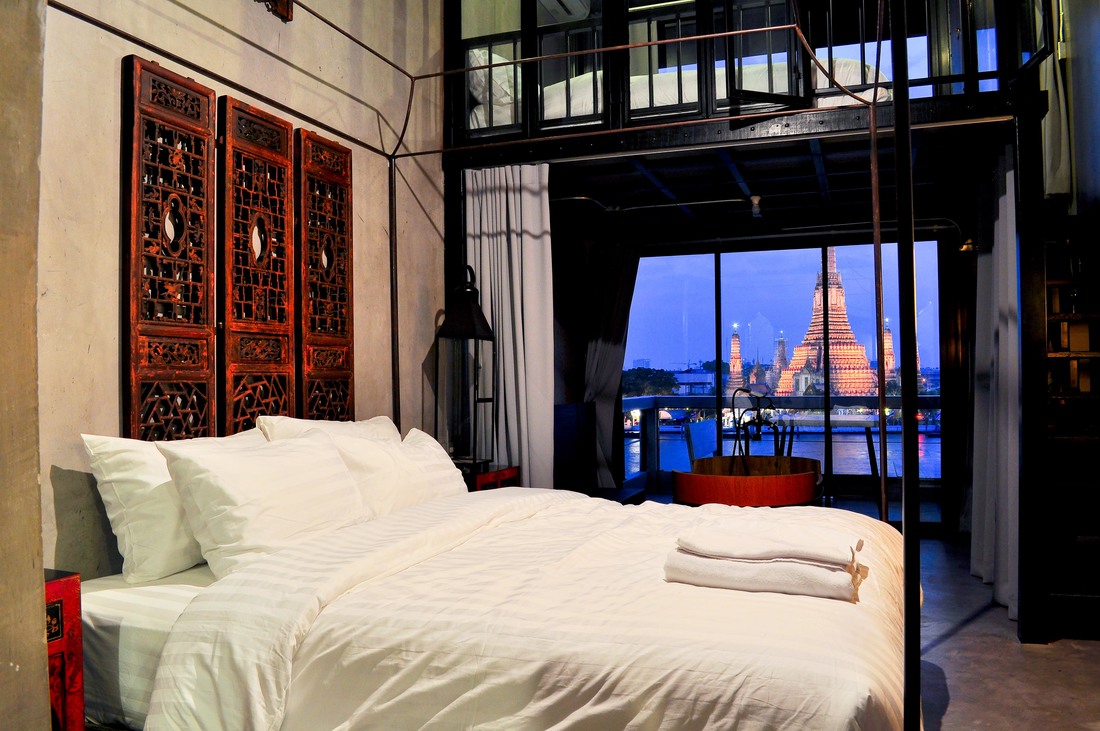
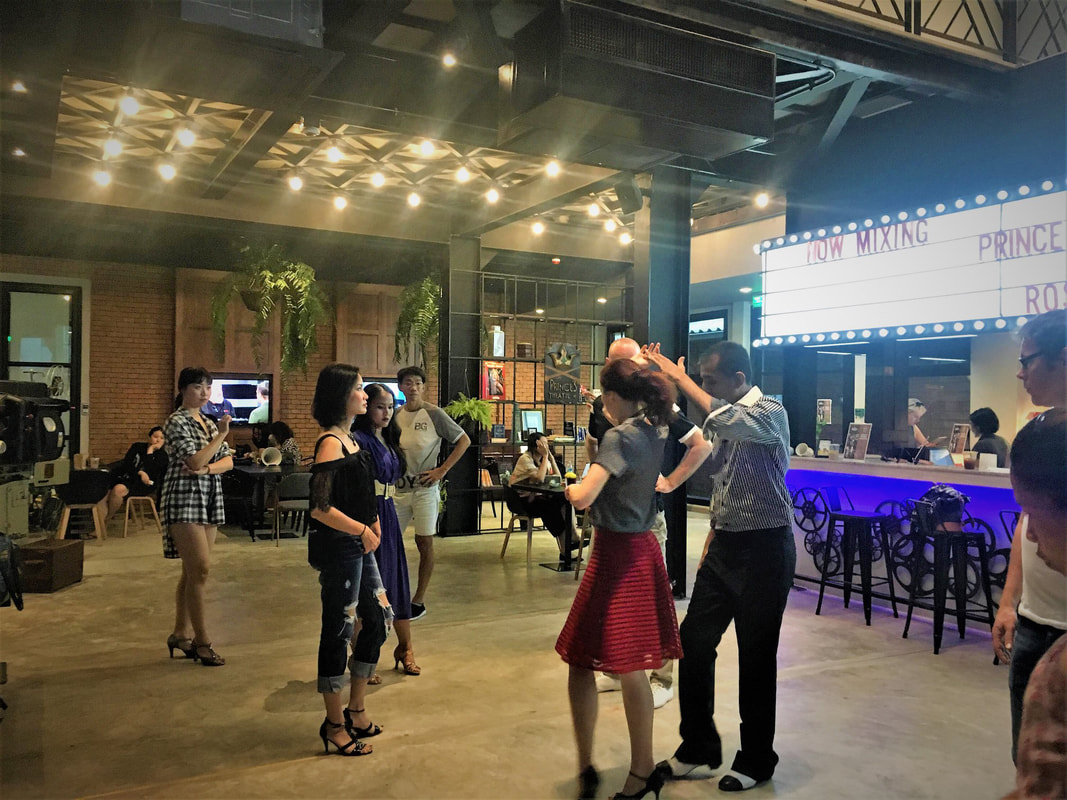
Once more the Prince Theatre has flickered back into life, this time as the Prince Theatre Heritage Stay Bangkok, with accommodation that runs from suites and duplex lofts, down to dormitory rooms. In keeping with the hotel’s heritage there is a cinema-style lobby, ancient projection equipment, screenings of classic movies, and even salsa dancing.
 
Elsewhere in Bangkok, old buildings that have outlived their original purpose but which for various reasons cannot be
knocked down are being converted into heritage hotels and poshtels.
 
Within a couple of minutes’ walk of the Prince Theatre stands The House of Phraya Jasaen, a boutique hotel formed out of seven old shophouses and offering a choice of thirty-two rooms and suites, including dormitory rooms suitable for families and flashpackers.
 
Phraya Jasaen was the great grandfather of the current owning family and had served as minister of the interior under Rama VI, the king bestowing upon him the land upon which the shophouses stand in recognition of his loyal service. The
renovation of the old property has left the ambience and many of the original features of the building intact.

Picture
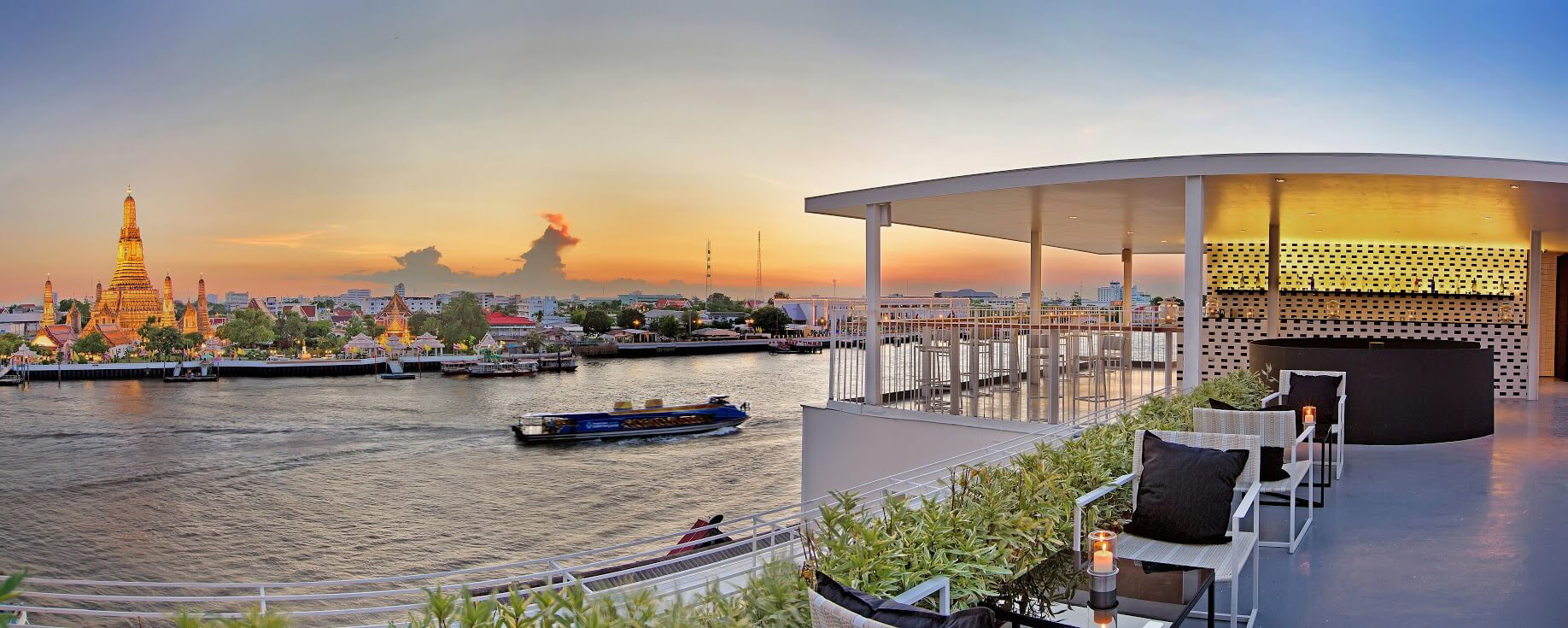
Near neighbours: guests at Inn A Day, a converted sugar warehouse, wake up to the Temple of the dawn
Picture
Salsa evening at The Prince Theatre Heritage Stay

Read More
Comments

TAT Promoting Tourism in “Chanthaburi” Launching Creative Tourism Products Campaign to Develop Marketing Competency while Holding Local Strength Activities

14/9/2018

Comments

 
Tourism Authority of Thailand is launching “Creative Tourism Products Campaign” to develop marketing competency and holding “Local Strength” activities in Chanthaburi province under the concept (Joyful Chanthaburi) along with other second tiers provinces, building on creative activities and supporting touristic site campaign under the theme “Amazing Thailand Go Local” with the aims to motivate local community to develop themselves in terms of local tourism by using their own culture as the valuable and extinguish magnet to attract Thai and foreign tourists.  
Picture
Picture
Bureau of Tourism Service Development, Division of Tourism Products, Tourism Authority of Thailand is holding this campaign in order to serve the right tourists target which can be divided into 1. Women tourists, Gen Y tourists, Family and kids and Asian tourists. The unique identity of each community be use as the main key and will be held along with marketing activities and promotion to gain attention from tourists which will result in the increase of travelling rate and sustainably generate income to the community.
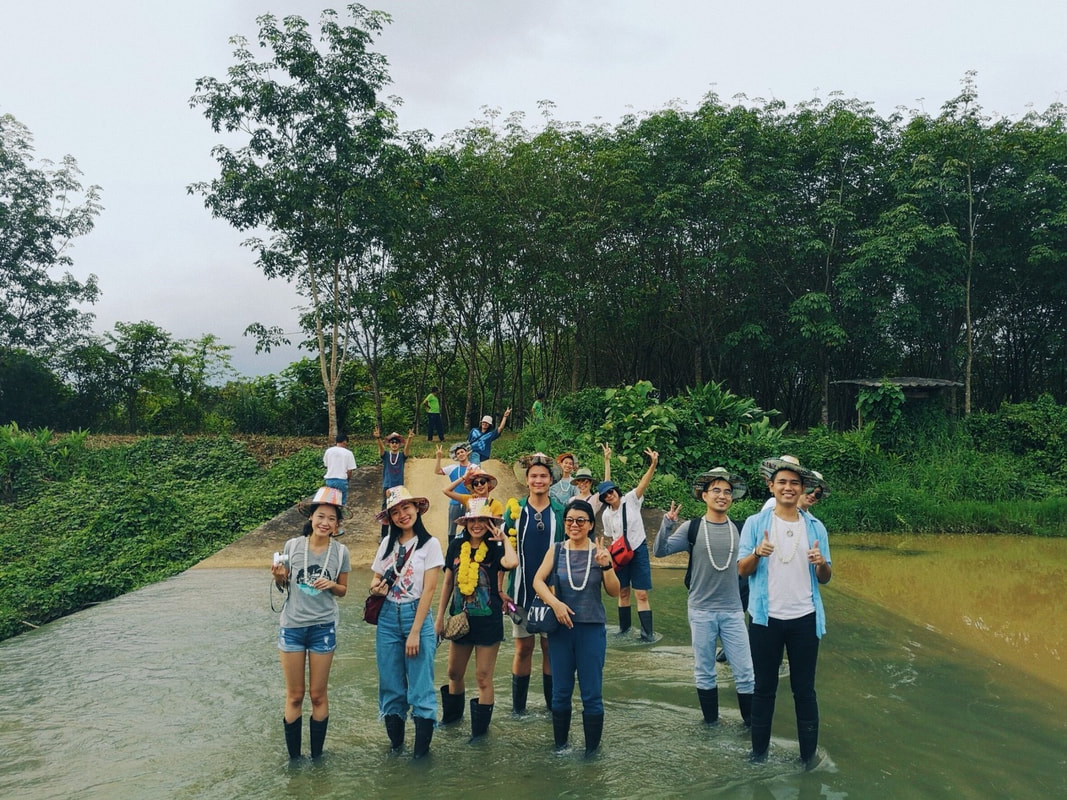
             TAT has meticulously run this campaign by inviting many leading organizations and parties in tourism industry to conduct user co-creation workshop to sort out the all-dimensions needs of tourists and the reason behind those needs. And now, it is during the process of actual travel by sample tourists. This actual travel by tourists allows the sample tourists to conduct tourism assessment before and after the trip in which all result from the workshop and assessment will be used to develop the best tourism service and products in order to satisfy and fulfil the specific needs of different group of travelers. The joining communities in Chanthaburi for this campaign are Bang Sra Kao Community, Chanthaboon Riverside community, Rak Khao Bai Sri Community, Samed Ngarm community and Baan Pa Tha Wi community.
            People who are interested in this Thailand tourism campaign can visit www.creativedistrictthailand.com and Facebook: Creative District Thailand for further details, maps, attractions and contact information of each community and other districts under Creative District Thailand campaign.
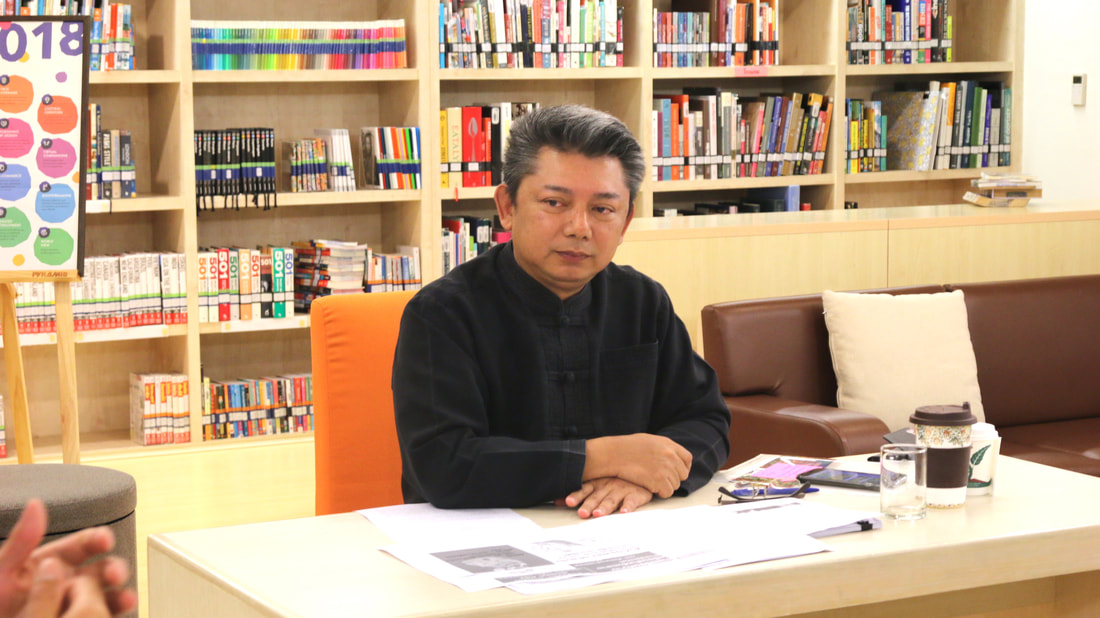
​Q&A with Mr.Nithee Sriprae, Executive Director of the Tourism Product Department

1. Please tell us about the Creative Tourism Products Campaign in which Division of Tourism Products has developed to promote secondary provinces.
 
for the campaign, TAT would like to support the local community in the secondary cities to have a chance to increase income and to follow the government policy which is to reduce the

Picture
Picture
 poverty of people and we have been assigned budget to develop local strength so, we started at Chanthaburi province first because Chanthaburi province has potential in terms of tourism resource as well as human resource which is ready to welcome tourists. The tourism resources in Chanthaburi are very variety such as nature, culture, food and handicraft. especially food and handicraft have been made from local wisdom and we would like tourists to join with the community to learn those wisdom or we can call “local experience”. We believe that this kind of activity which we can call “creative tourism” will generate more income to local people and community. 
2. As the terms “Secondary Cities” is quite new for people, please explain about them and what is the criteria?
 
The main factor we use to select secondary provinces to develop “creative tourism” are their “accessibility”. We have selected cities based on their infrastructure such as road, signage, facilities such as accommodations and restaurants and Chanthaburi is ready for this factor. But actually, Chanthaburi already has large number of tourists but they only visit the main attractions and TAT would like to draw attention from those main attractions to local communities in which each  local community in Chanthaburi has a lot of attractive activities for tourists to join and gain experience.

3. Who are the main targets that TAT is focusing on?
 
For the target, we analyze target groups in terms of spending potential and preferable activities. We can categorize our target tourist into 1. “Gen Y” or young people, teenagers and first jobbers 2. “Power Women” or the women who are independent and have purchasing power on her own such as executives, women who have secure job or women who love to travel with ladies’ gang because this kind of targets they always work very hard and sometimes they would like to relax or reward themselves by travelling. And 3. “Families” especially the millennial families who love to raise their child by doing and learning. Those 3 groups are the main target that TAT would like to promote Chanthaburi.
​
How much confident towards the campaign?
We believe that this campaign will be able to increase tourist to Chanthaburi and other secondary provinces at lease 10% and gain more revenue at least 5% in which TAT has now working very hard in terms of strategies to make this campaign to be successful.
Picture
Picture
Comments

“100 Photos, 1,000 Stories From Sisaket” Exhibition To Attract More Tourists To The Province

12/9/2018

Comments

 
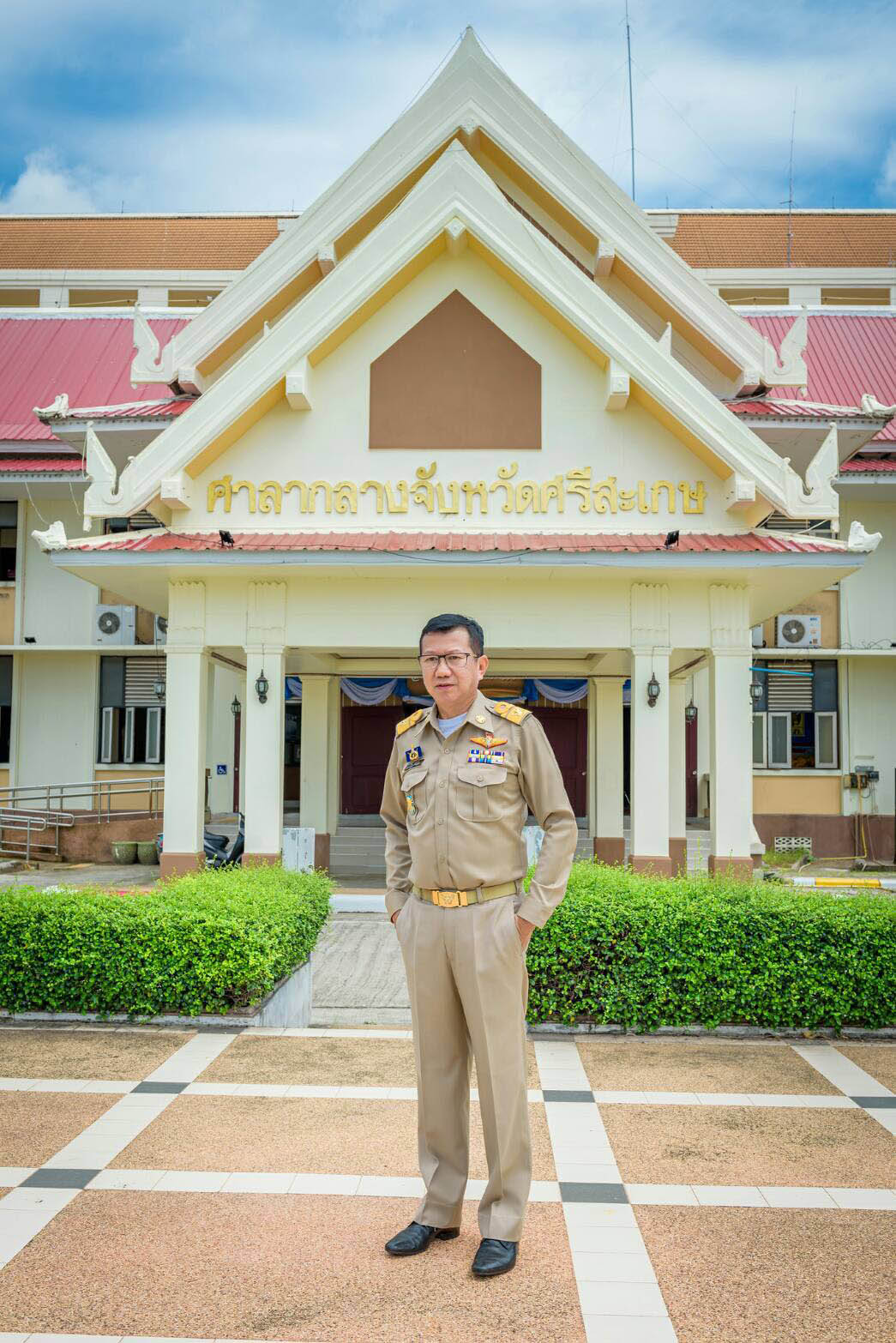
In response to the Tourism Authority of Thailand's policies on stimulating tourism among second-tier tourism provinces, Mr.Thawat Suraban, Governor of Sisaket province, held a press conference to announce the upcoming photo and photobook exhibition, themed “100 Photos, 1,000 Stories From Sisaket,” which will be organized and open to public between 11-13 September 2018 at the Activity Area, 1st Floor, The Street Shopping Center and 15-16 September 2018 at Siam Paragon. It is definitely a must for travellers who seek natural and local flavors.
 
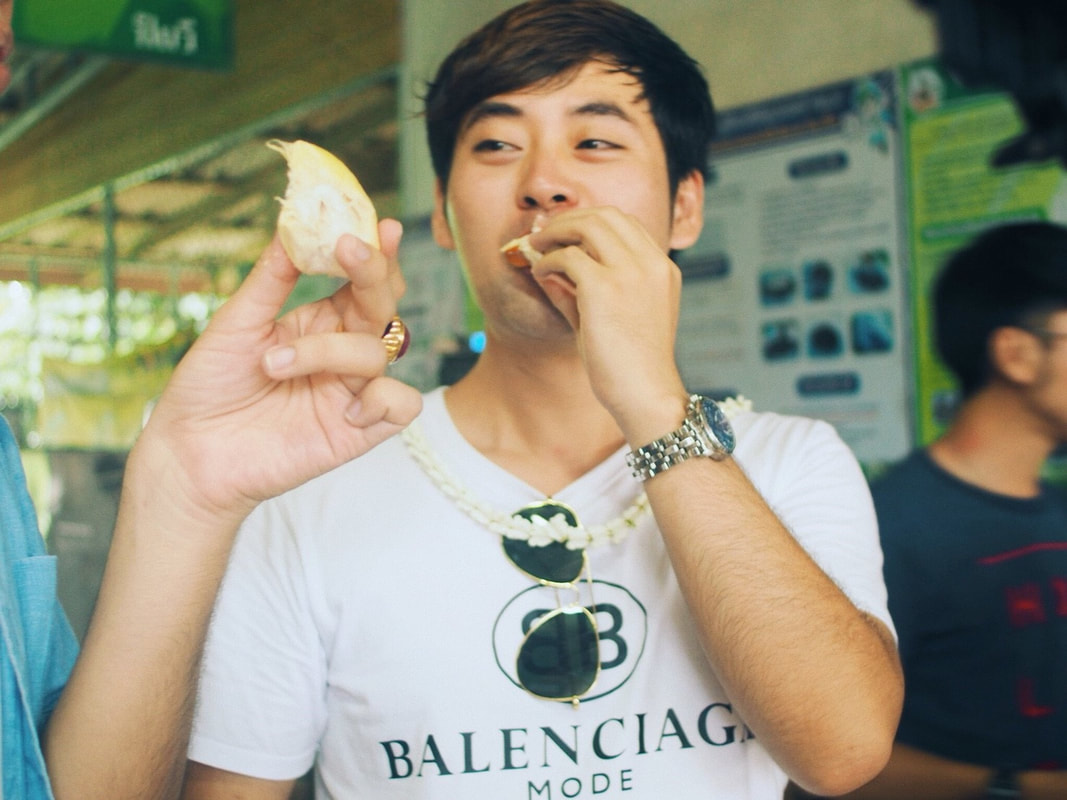
The Governor revealed the origin of this exhibition, This year, TAT policies are focused on second-tier tourism provinces. Sisaket is also a second-tier tourism province that is full of interesting destinations worth exploring. Its histories, civilization, and beautiful tribal culture, as well as natural resources like forests, plant species, and volcanic soil, are renowned on the national level. Every year, we plan to attract tourists with our volcanic durians and enjoy traveling through Sisaket. To make Sisaket a more popular destination, we let the visitors experience Sisaket through the lens of the photographers, while telling stories of Sisaket or the second-tier tourism province with historical legends, civilization, and diverse culture, especially the hints of  ancient Khmer that has been perfectly integrated into the Thai-Esan ways of lives. You can find unique cultures and beautiful destinations that you shall not miss here in Sisaket”
Picture
Comments

CELEBRATING 25 YEARS OF ‘BIKING BROTHERHOOD’ IN THE PYRENEES

7/9/2018

Comments

 
By Christian Schulz
After rides in some of the world’s most remote regions, a group of hardy expats head to the French-Spanish border\
Picture
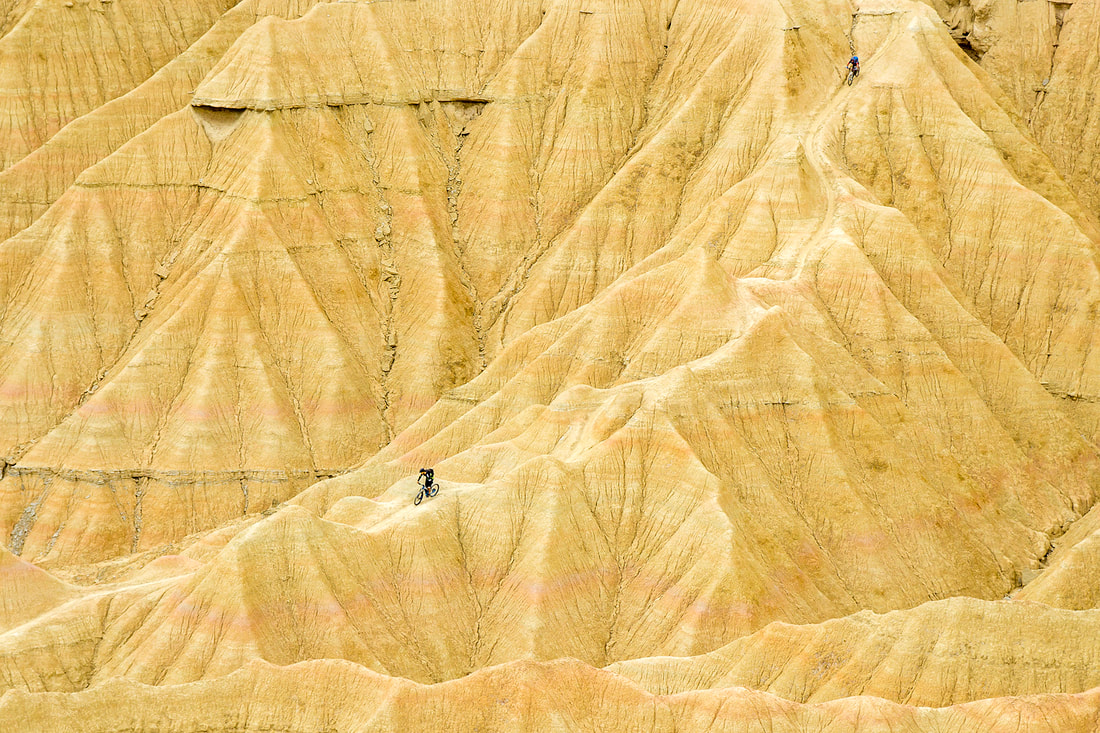
The warm up ride in the little known desert ‘Bardenas Reales de Navarra’ required some technical skills and was a good test for bike and biker.
IT started in the early 90’s when a group of sporty and fun loving expats living and working in Taipei regularly met to enjoy running with the ‘China Hash House Harriers’ along the scenic mountain trails in Taiwan. The motivation: ‘Compensate the many long office hours with healthy outdoor activity followed by camaraderie and consuming lots of cold beer’. From that, and a common interest in mountain biking, came the idea organizing a week of offroad biking somewhere outside the island in the region. Kicking off with Sulawesi in 1993, a tradition was begun of a regular annual week of cycling in different Asian counties. This included, amongst others, a helicopter drop off in the snow in the Jomsom, Mustang area of Nepal in 1997 followed by cycling up the Kali Gandaki gorge to the Muktinath monastery and ending up along the lake in Pokara. 1998’s ride led through Thailand’s Chiang Dao National Park area. In 1999 and 2000, it involved the first-ever organized mountain bike groups cycling the Kingdom of Bhutan. 2002 saw speedy long-tail boats taking the group up the Mekong River and them following the Chinese border on Laos’s jungle trails. In 2006 the African continent was approached the first time with the team spinning the pedals in the very mountainous Kingdom of Lesotho, while in 2007 Tanzania was explored. Costa Rica, in 2013, was the only location in the Americas so far.

Picture
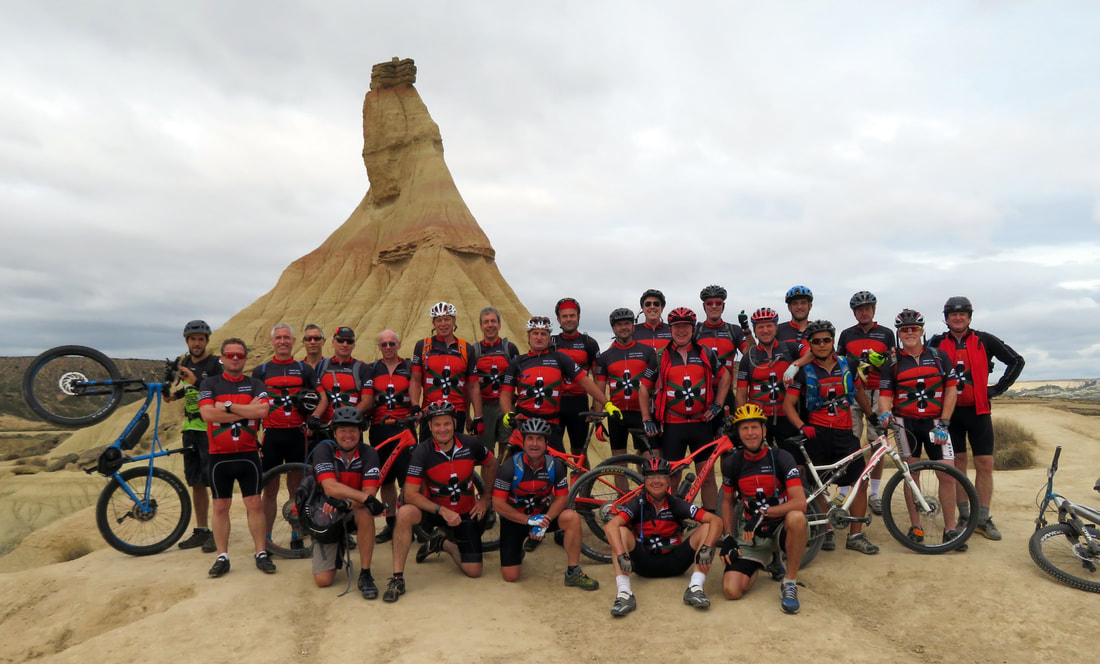
The ‘Biking Brotherhood’ at the start at Bardenas Reales de Navarra.
 On the last evening of each trip, proposals for the destination in the following year are heard and voted on. Volunteers usually step forward to offer to explore the preferred location and report early in the year on the outcome. If judged ‘doable’, the date, depending mainly on the most suitable weather conditions, is finalized in March and the announcement made. Strict rules apply as to who of the 30+ names on the list (boys only, because boys behave different when girlsare around) may join as logistics generally only allow a maximum of 24 participants. Seniority (number of previous rides) as well as the earliest commitment documented with a transfer of non-refundable fees are the criteria.
After almost a quarter of a century, predominantly covering the slopes in the Himalayans and the hills in Asia, the 25th anniversary ride was meant to be special one and the first time to Europe, exploring Spain’s Basque Country of the Pyrenees under the slogan ‘Making Basque Great Again’. The Basque country as it stands today is known as ‘The Autonomous Unified Basque Country’, consisting of the North and South Provinces. The North is controlled by the French and the South by the Spanish. Initially a little reserved towards foreigners, the locals are very proud of their identity and have their own Basque national flag. Basques have fought for their land, their culture, and their pride. Their traditions are alive and flourishing today. The widely spoken Basque language is a language with no known linguistic relatives as it is unrelated to any of the other languages of Europe.
 
Picture
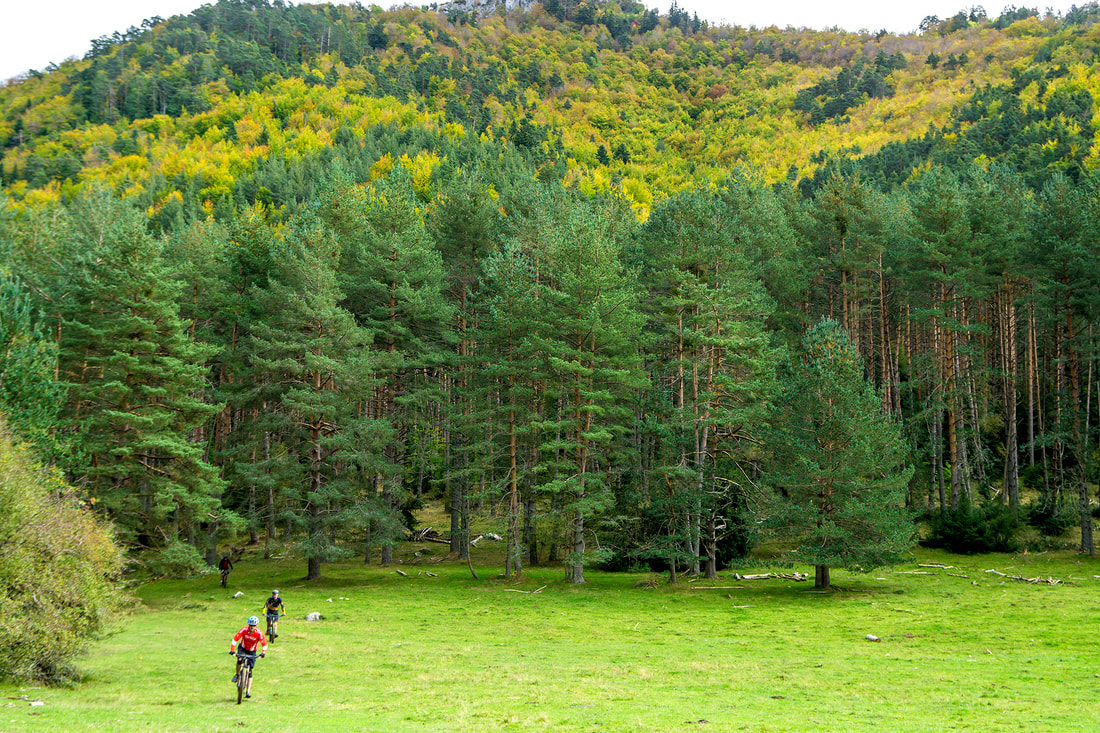
On single tracks through autumn colored forests.
Like on all the earlier rides the basic concept was simple: a daily good workout in beautiful surroundings, preferably cycling single trails; simple accommodation and reasonable food. However there is no compromise on the amber beverage: ‘enough chilled beer for everybody every evening!’ Attention to detailed logistics therefore is an absolute requirement.
 
Only a few members of the original group presently still live in Taiwan since some have returned to their home countries, mainly the US, or have found new opportunities in China or the Asian region. Thus flights carrying the bikes touched down in the northern Spanish city of Bilbao from all over the world. In order to get acclimatized and check the equipment, a ‘warm up ride’ in the little known desert of ‘Bardenas Reales de Navarra’ was staged before getting into the mountains and onto the Basque highlands.
 

Picture
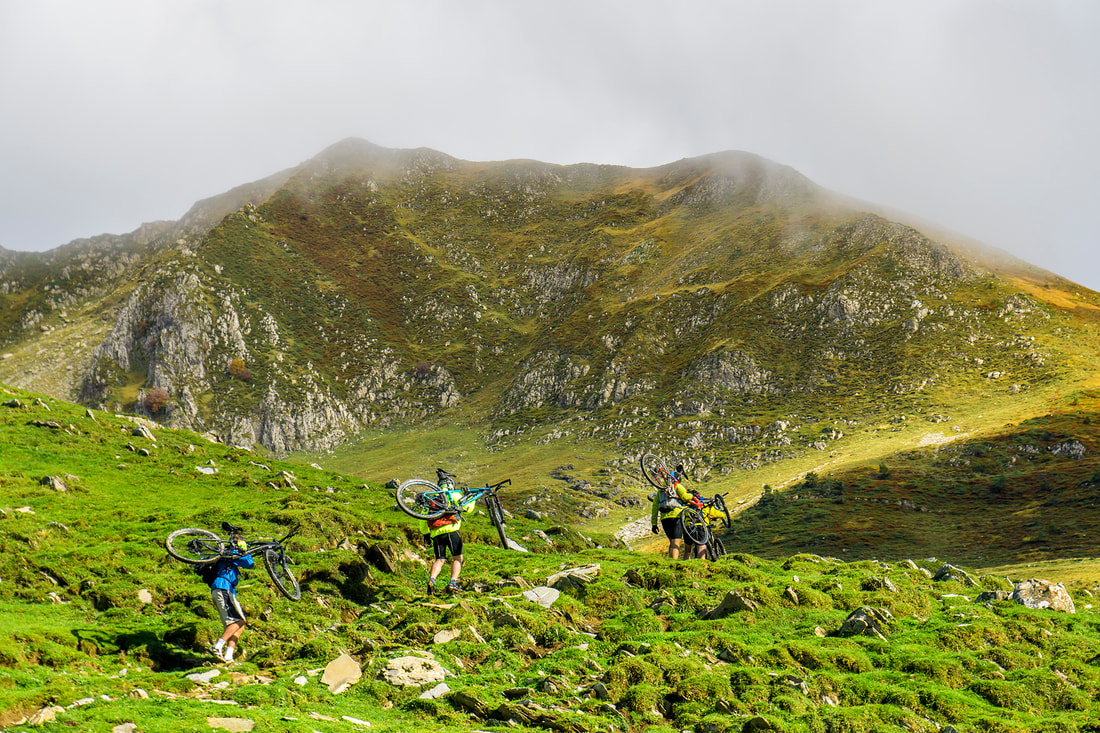
To reach the Spain/France border required a long, big push uphill.
Picture
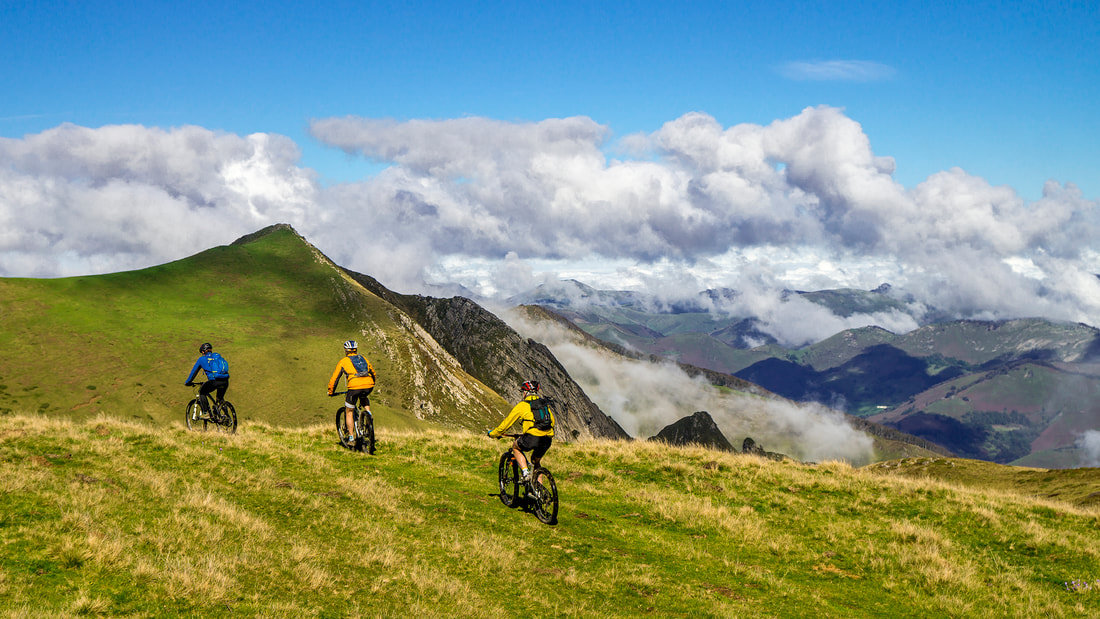
On top of the ridge crossing the Spain/France border enjoying a stunning view over the French peaks of the Pyrenees before starting a long bumpy downhill.

Read More
Comments

A haven of local discoveries:Baan Laem Makham, Trat

24/8/2018

Comments

 
Some 315 kilometres southeast of Bangkok is a hidden treasure trove​
Picture
​NESTLED on Thailand’s southeastern corner bordering Cambodia and part of the Gulf of Thailand, Trat province is home to numerous and famous white-sand beaches like those in Moo Koh Chang National Park. The province used to be an essential stopover for sailors and fi shermen, but today it is the main hop-off point for tourists heading to Koh Chang, Koh Kood and Koh Mak. Very few travellers choose to stay more than one night in Trat itself, however, we had the opportunity to explore a beautiful hidden gem called Baan Laem Makham in Laem Ngob district. This small subdistrict is as rich with history as the surrounding mangroves forest are thick with foliage.
Brief history
Dating back to the early 17th century in the reign of King Prasat Thong, the Trat province was formerly known as Muang Thung Yai, meaning the city of large fields. The town provided provisions to King Taksin before he moved his forces to  Ayutthaya and successfully drove out the Burmese invaders and liberated, Thailand from foreign rule.
 
In the Rattanakosin era during the 1893 Paknam crisis, French troops occupied the western part of the Chanthaburi province. In 1904, the Siamese government surrendered Trat to French Indochina in order to regain Chanthaburi province. Years later, however, fi nding Trat hard to rule with its almost entirely Thai population, the French troops requested to exchange Trat for the areas along the Mekhong River, including Battambang, Siam Nakhon and Sisophon. A treaty was signed on March 23, 1906. For this reason, the locals came to think of March 23 as Trat’s very own independence day. 
Picture
Baan Laem Makham
 This 100-year-old community got its name from a combination of unique geographical features found in the area: the spear-like tipped stretches into the sea and giant tamarind trees are revered by the people.
 
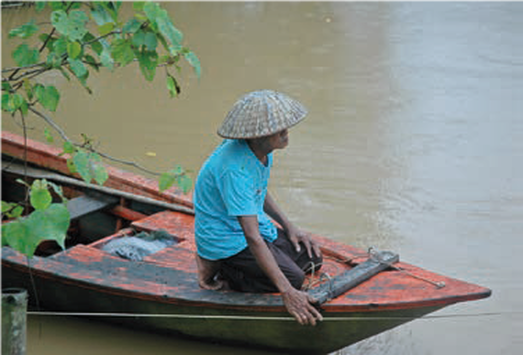
Baan Laem Makham is one of the subdistricts found in the Laem Ngob district, which is famous for its signature, handmade hats known as lae. These are weaved from klum and are used to shield the wearer from sunlight or rain. This beautiful, handmade art has been passed on through generations over the years in Trat.
​
 An education centre was erected to honour King Rama V’s deeds, especially in the freeing of the province of Trat from the French colonial power in 1906. The education centre was founded by a retired civil servant and a former director of Laem Ngob community school, Ajarn Sompoj Wasukri. He aims to utilise the centre to document and educate Thais and foreigners alike of His Majesty King Rama V’s travels and great deeds through a large collection of photographs and related items.
​
The collection holds over 200 photographs accompanied by handwritten descriptions of each photo tells a story about the challenges Thailand faced as a country during His Majesty King Rama V’s reign. The centre continues to serve students, communities and travellers free of charge.

 
The Next stop was Wat Laem Makham. The temple is also known for the exquisite wall paintings depicting the community’s history and stories related to the visit and deeds of His Majesty King Rama V.
 
Another must-visit local attraction is the To Wali, meaning, a kind elderly gentleman who came with the water. It is an important religious worshipping centre for the Muslims that reside in Wat Laem Makham, a Buddhist temple.
 
There are two legends regarding how To Wali came to be at Baan Laem Makham. One legend is of an older gentleman who travelled by boat. He drank the remaining rations of fresh water on the boat and the crew was angered by this. He then dipped his foot into the sea, however, and told the boat crew that the seawater was now freshwater, and it was so. The man then walked onto the water and disappeared.
Picture
Another legend is in the form of recurring dreams. A Thai-Muslim villager dreamt a man came and told him that he was the servant of God and was charged to help the people in the village. He was residing in a tree log behind Wat Laem Makham, and thevillager found the tree log and tried to take it back to his village. No matter how many times they tried, however, the ropes broke. In the end, the same entity came and told the villager just to let him be, and they lived happily ever after. Today, To Wali is found on the grounds of Wat Laem Makham. It is housed in a single-storey structure where people still stop by to pay their respect and ask for protection and good luck.
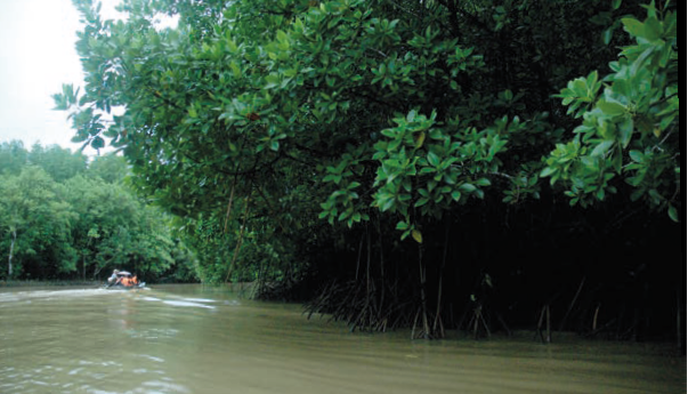
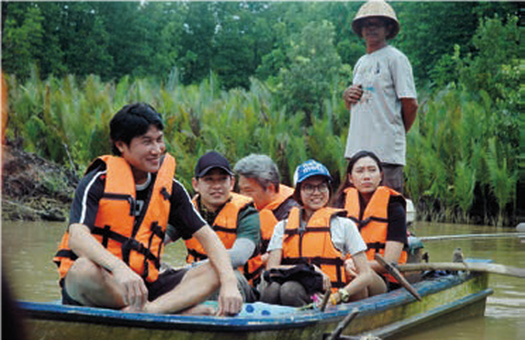
In addition to its rich history and art, the area is home to lush, green mangrove forests that the local community depends on. The district offers daily tours by long-tail boats. Travellers can look for shells and clams along their journey and then cook and enjoy the hard-earned harvest for dinner, so make sure to pack an extra set of clothes when travelling through this terrain.
​

Transportation
Travelling to Baan Laem Makham is straightforward despite its remote location. It takes approximately 4-5 hours to get from Bangkok to Trat from the Ekamai or Mo Chit. Once in Trat, visitors can take the Trat-Laem Ngob songthaew. The route will take visitors through Baan Laem Makham. In-depth exploration of these local communities is now possible with the help of the Tourism Authority of Thailand and their Village Tourism 4.0 initiative, which offers local tourism excursions in ten different communities across Thailand.
 
www.tourismthailand.org
Comments

WORLD-CLASS FAMILY WATERPARK AND ENTERTAINMENT DESTINATION UNVEILED FOR PHUKET

21/8/2018

Comments

 
USD40 million, 140-rai Blue Tree Phuket signals maturing of the Phuket tourism industry as domestic and international demand drives growth of inland attractions
Picture
Picture
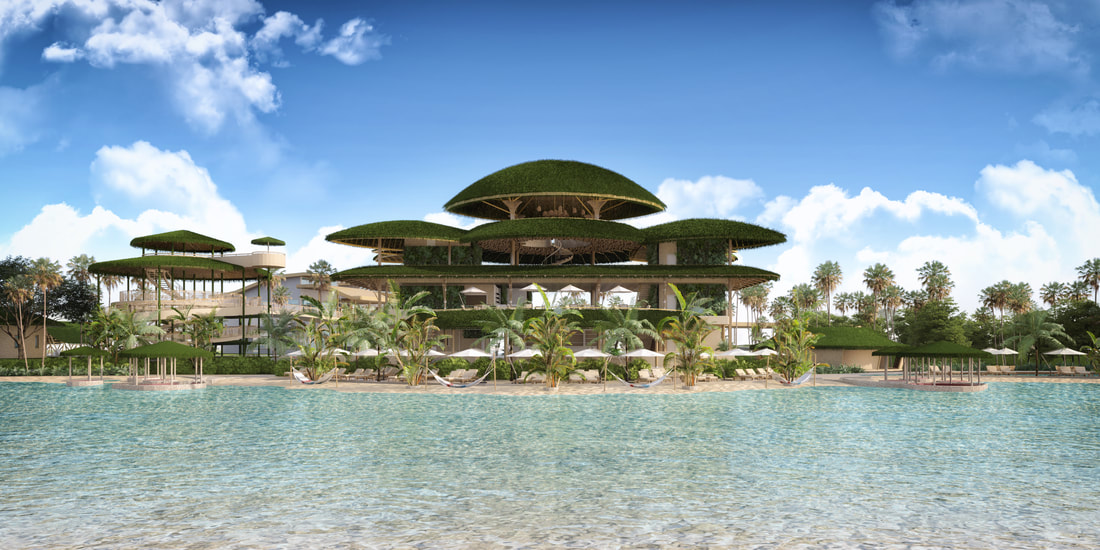
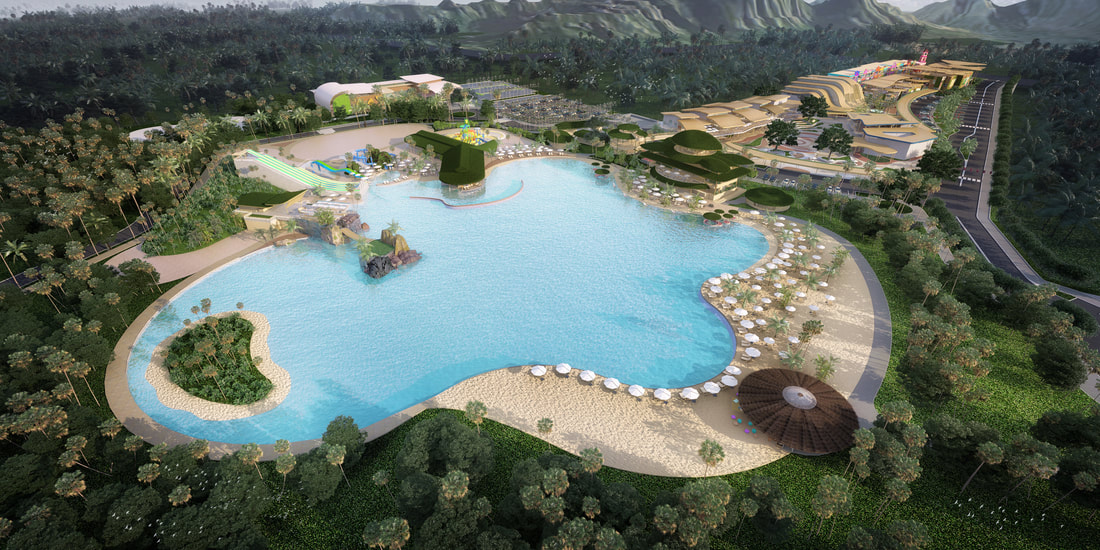
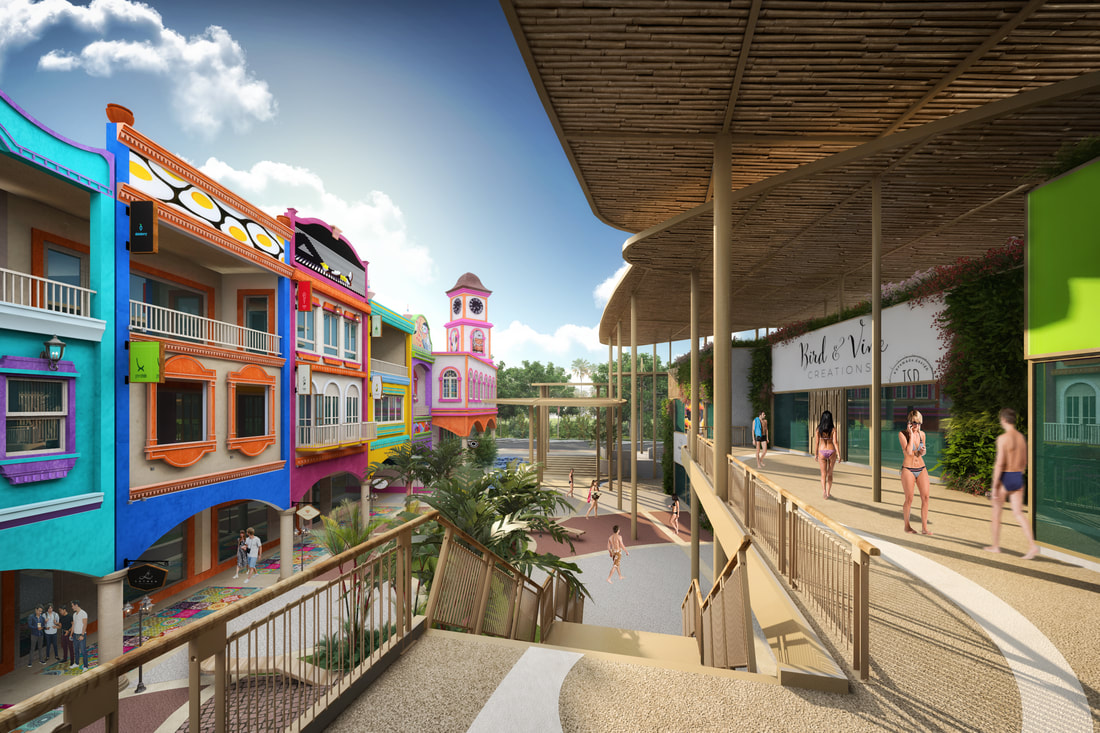
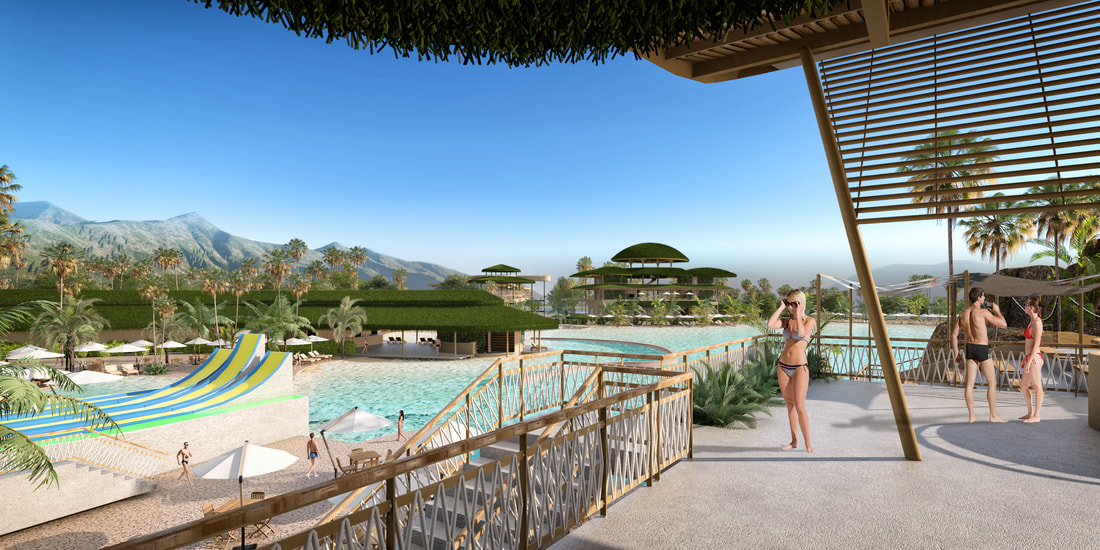
​Phuket’s tourism industry has received a major shot in the arm with the unveiling of Blue Tree Phuket, a USD40 million investment and multi-dimensional destination waterpark and entertainment complex set over 140 rai in Cherng Talay.
 
Positioned as Phuket’s premier family attraction, Blue Tree is located within easy reach of Phuket’s popular central west coast and will be the island’s first international-standard, fully integrated waterpark and family entertainment complex, placing it at the cutting-edge of a growing demand for inland tourism on the island.

Picture
Picture
Picture
 The complex will feature a compelling mix of retail, destination dining, waterpark, beach club, and health and fitness with its star attraction at its centre – Blue Tree Lagoon – designed and built by world-leading US-based water attraction specialists Crystal Lagoons.

“Blue Tree has natural borders. These are thick, mature rubber plantations that surround the project and emphasise the lush tropical environment found throughout the grounds. The name itself is testament to our commitment – a green and blue oasis in the shape of a tree, with deep roots and strong connections to the destination, its heritage and its future,” said Mr Ayling.
 
“Phuket will always be known for its spectacular sea and sand, but there’s been a clear demand for inland entertainment alternatives for some time now and this will fit the bill, showcasing a lesser known side of Phuket but one that will appeal to both middle class Thai families and Amanpuri guests in one strategically located destination.”
 
Admission fees will be kept affordable with a pay-and-use concept, while full access to all activities will be priced lower than THB1,000.
 
For more information on Blue Tree, visit: https://bluetree-phuket.com/
​
Comments

Legend Siam, the first and only cultural theme park in Thailand, the new landmark of Pattaya

17/8/2018

Comments

 
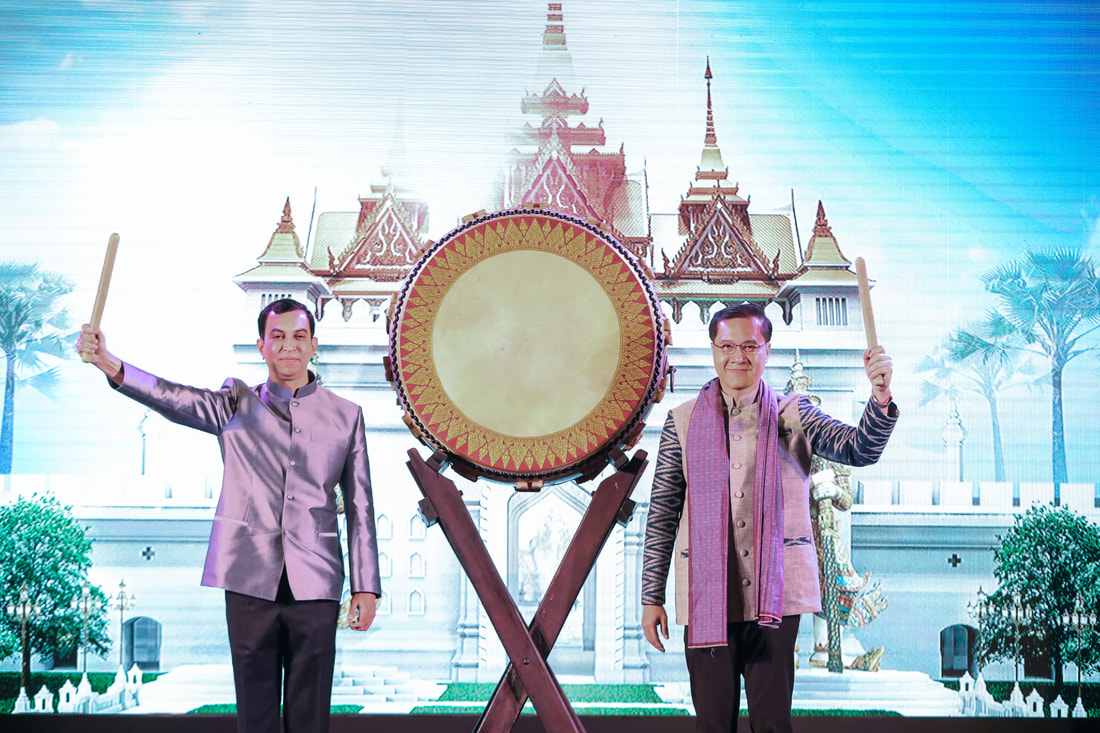
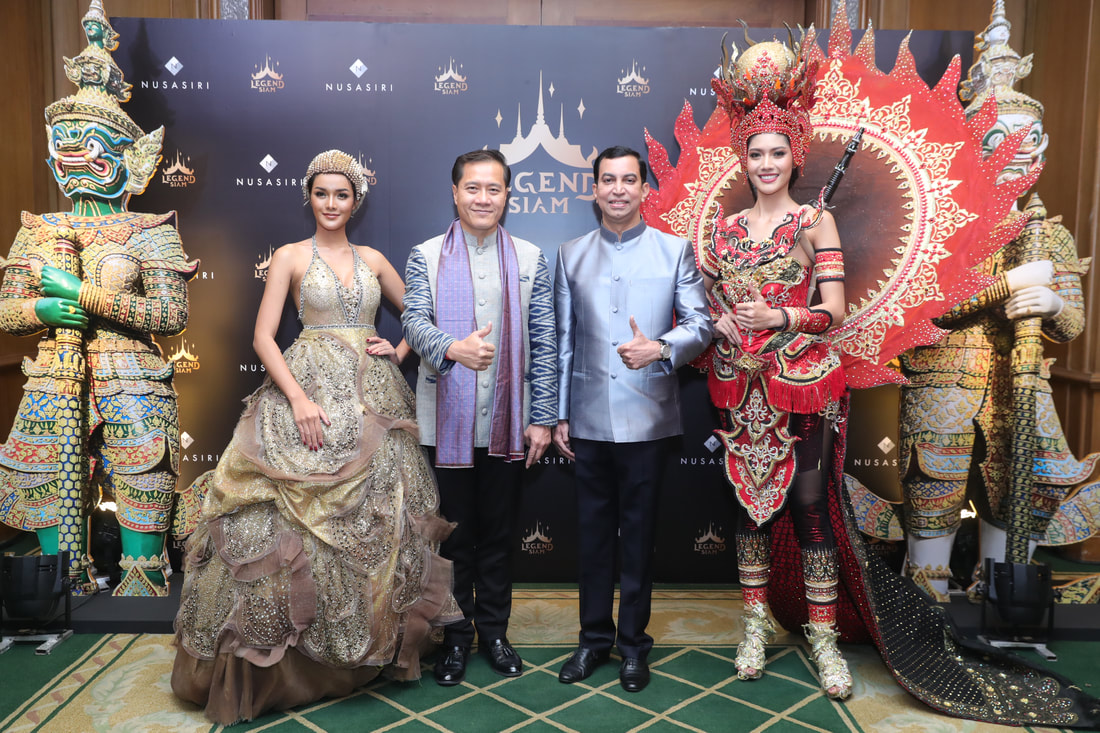
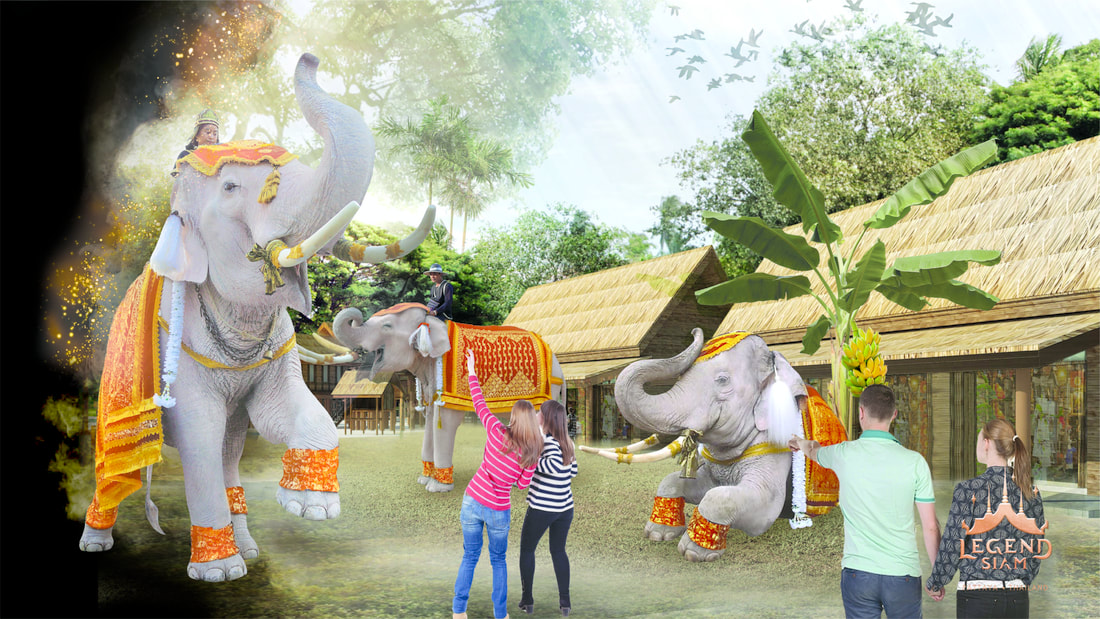
Visanu Thepcharoen, CEO of Nusasiri Public Company Limited, introduced Legend Siam, the first Thai cultural theme park in Thailand, under the concept “the legends of Thailand”. 
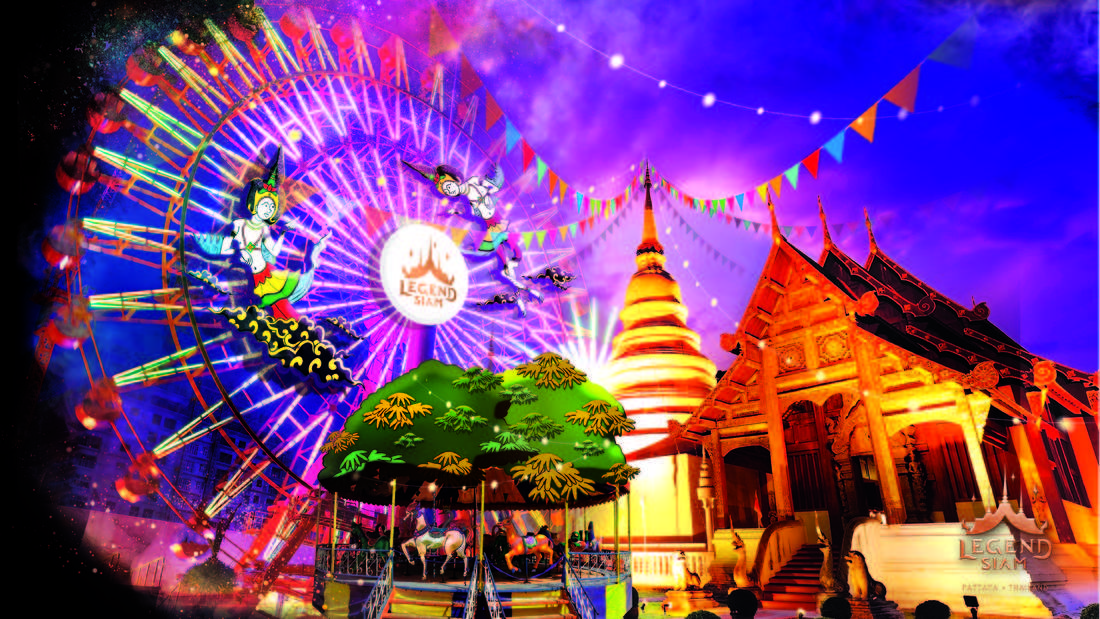
The park is set to become the new landmark of Pattaya, where visitors can experience Thai culture and lifestyle in three aspects: Siam Vilize showcases civilization of Siam, Araya Thai presents Thai traditions and culture, and Bhumi Pan Din wisdom portrays the pride of Thailand. It is a cultural destination that brings together Thai arts, culture and shopping in one place, with a special show titled “The Echoes of Legend Siam”, which is a music and art performance, presented through the vision of Manop Meejamrat, a Silapathorn Artist. Other performances include Miss Grand Thailand’s “Legend Siam Culture Fashion Show”. The Minister of Tourism and Sports Weerasak Kowsurat accepted the invitation, joining the opening as the president of ceremony. In addition, Santi Chudintra, Virat Chaturaputpitak, Chart Chantanaprayura, Nawat Itsaragrisil, Krisana Lalai, Salinee Panyarachun, Siriya Thepcharoen, Sirawat Thepcharoen and Wongsakorn Thepcharoen also were present at the press conference taken place the other day at the Ballroom of Grand Hyatt Erawan Bangkok.

Visanu Thepcharoen, CEO of Nusasiri Public Company Limited said, “ The Legend Siam Theme Park is the first cultural theme park ever in Thailand, aiming to represent the pride of Thailand and to present a strong standpoint and intention in supporting Thailand’s tourism industry and economic growth respectively. As we have visioned the potential growth in tourism sector, Legend Siam is prepared for the opening coming up end of this year. Situated on 164 rai with total space of more than 10,000 square meters, of which 50,000 square meters are shops and amusement park, this 4,000 billion baht project brings about joyfulness, cultural and traditional aesthetic, history of each era and region. We are certain that Legend Siam will be a new landmark of Pattaya that creates happiness for visitors.

Weerasak Kowsurat, The Minister of Tourism and Sports said, “I am pleased, acknowledging that this mega project will create a different image of tourism on the East Coast of Thailand. We will see private and industrial sectors working with community. In the past, people focused on seashore and outdoor activities, when talked about Pattaya. From now on, the history is changing. People will be attracted by its coastal beauty, cultural, traditional commemoration including local spirit and soul that will represent Thailand as the Land of Smile. These determinants will help bring local products and community to light. The project implicates Thai people to be prepared for the productive changes in east coast area and surroundings, as we gear toward growth in investment as well as sustainability and balance in tourism.”

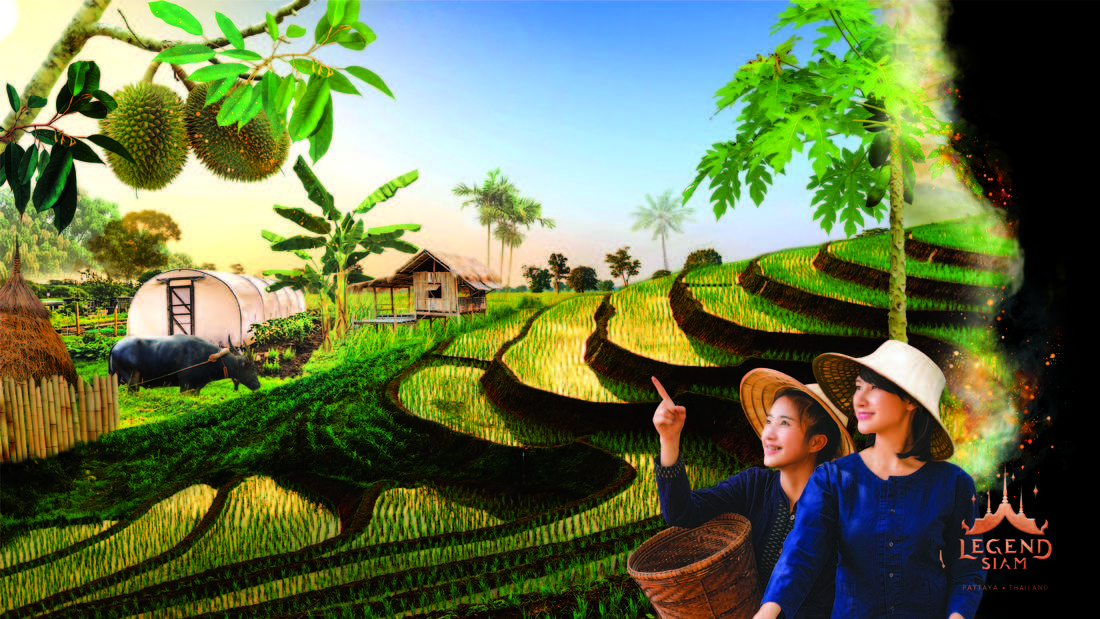
Legend Siam, the new landmark of Pattaya, dazzles visitors from the first step with the magnificent arch at the entrance, with Tossakan and Sahasdecha, each five storeys tall, greeting everyone. Experience beautiful legends of Siam at this theme park which illustrates Thailand’s glorious past in the Rattanakosin Era, as well as Thai ways of life in three different zones. Siam Vilize showcases civilization of Siam, as well as the glory of Siam in the past, with mesmerizing architecture. You can also learn the legend of Indra and Erawan elephant through an amazing parade “Legendary Royal Elephants”, which portrays ancient Thai ceremonies.  Araya Thai presents fun-filled Thai temple fair, mythical creatures from Thai literature, and Wat Phra Si San Phet from the Ayutthaya Era which has been brought back to life. Indulge your imagination with 3D experience, and enjoy floating market and traditional market. Watch rare local traditions and purchase locally produced goods to fully appreciate Thainess. Additionally, for a hair-raising experience, there is home of Mae Nak, the legendary female ghost from a classic love story of Khlong Phra Khanong.  Wrap up the visit with Bhumi Pan Din zone,  where you can learn about the legend of Bangrachan warriors who sacrificed their lives for the country. Learn sufficiency economy  through hands-on experience, and witness the glory of legendary royal elephants in an ancient tradition no longer practiced today. Be mesmerized by the beauty of elephant accessories in a dazzling elephant parade. 
 
Nusa Legend Siam Public Company Limited has transformed 164 rai of land into a magnificent world-class legend. It is situated on 162nd Kilometre, Sukhumvit road, Na jom thien which is 20 km. away from South Pattaya. The strategic location is conveniently accessed and can accommodate 20,000 visitors per day. Visitors can enjoy the beautiful atmosphere around Legend Siam on land using the vintage train or on a river cruise. Be a part of this legend of culture, traditions, and proud products of 77 provinces at Legendary, the ultimate cultural theme park opening at the end of this year. Updates all Legend Siam’s news and movement on its social media channel and at www.legendsiam.com
​

Travel back in time and experience legends of Siam at Legend Siam,  the ultimate cultural theme park of the world.

Website: www.legendsiam.com
Tel: 02-030-1399, 086-410-3333
IG: @legend.siam
Facebook: Legend Siam
Comments

Exploring China's remote Pamir Mountains by bike

6/8/2018

Comments

 
Picture
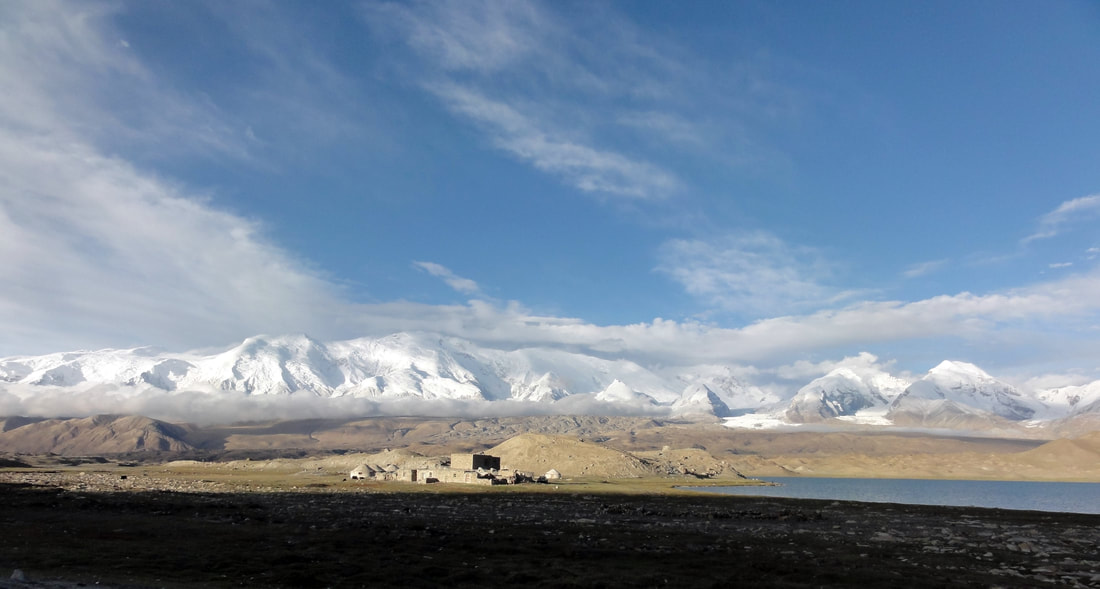
Pamir Mountains
​By Christian Schulz
A group of hardy expats venture into a region known as the 'Roof of the World
Picture
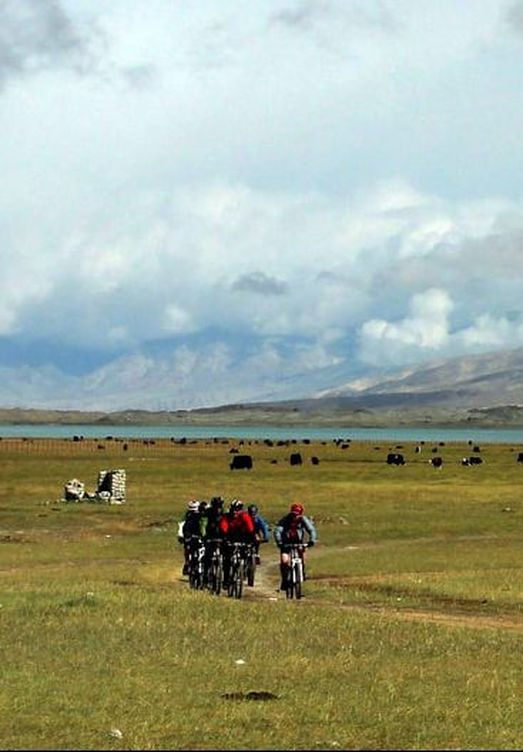
Cyclists sharing the high altitude plateau with local yaks
​After making cycling trips over the last 20 years through the centre and on the eastern side of the Tibetan plateau, as well as across a number of the Himalayan slopes in Ladakh, Nepal, and Bhutan, the most Southwestern region of China (Xinjiang) appeared as a relatively unknown place worth exploring.
 
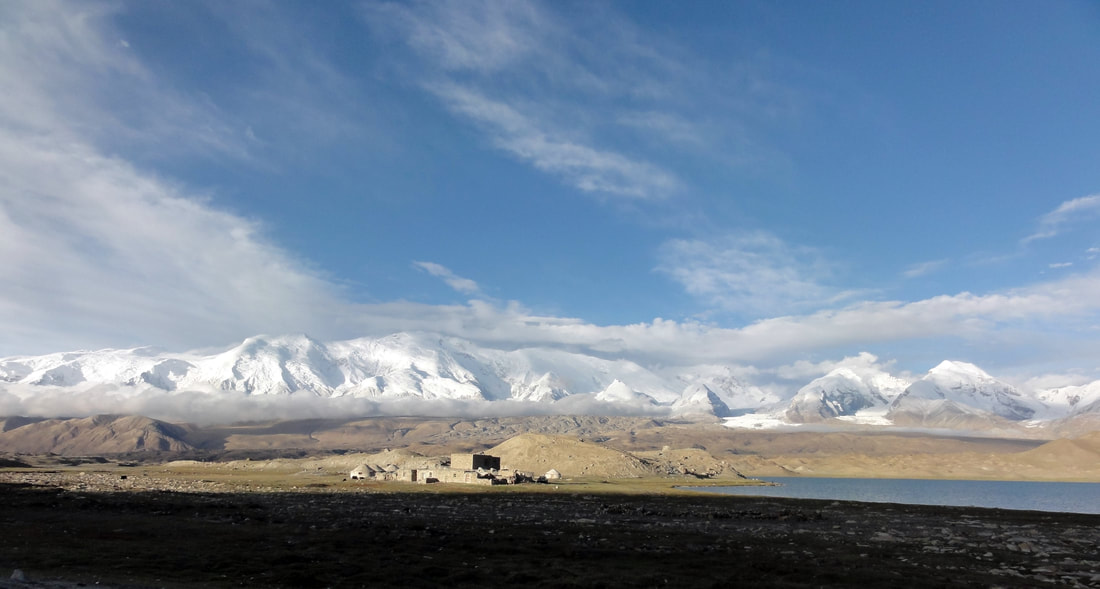
The Pamir Mountains are a mountain range in Central Asia formed by the junction of the Himalayas with the Tian Shan, Karakoram, Kunlun, and the Hindu Kush ranges. They are among the world’s highest mountains known as the “Roof of the World” since Victorian times, presumably a translation from Persian.
 
Xinjiang, the largest of China’s administrative regions have borders connecting eight countries - Mongolia, Russia, Kazakhstan, Kyrgyzstan, Tajikistan, Afghanistan, Pakistan, and India. Until recently, its population was mostly Uighur with a Tajik and Uzbek background where Muslim and Islam is an essential part of their lives and identity. Their language is related to Turkish, and they regard themselves as culturally and ethnically close to the Central Asian nations.
The region’s economy mainly revolves around agriculture and trade, with towns like Kashgar thriving as hubs along the famous Silk Road which is rather a complex network of routes. Over the years, development has brought new residents. This so-called ‘autonomous region’ showed signs of growing Han Chinese influence. In the year 2000 census, Han Chinese made up 40 percent of the population, as well as large numbers of troops stationed in the region and unknown numbers of unregistered migrants.
The long journey to reach Kashgar via Urumqi was one of the easier logistical hurdles to overcome when accessing this rather off-the-beaten-track location. Obtaining a visa and permit to the remote areas required seven separate Chinese government departments to agree and approve. In addition to the detailed planning, a well-maintained mountain bike and a minimum degree of physical fitness were required to make sure one didn't lag behind becoming a burden to the group.
​
To explore some of the original villages and the more untouched nature requires some extra effort when cycling this remote area from Kashgar heading south into the Pamir Mountains. The bumpy rides on jeep tracks or rough stony trails used by sheep, goats, yaks, and camels at altitudes close to 4700m opened a new world. The increased hard work was well compensated by the magical 360-degree view which included lakes, glaciers, far-distant  orizons, and towering peaks like the majestic Mt Kongur. At high elevation, weather becomes a significant factor as it can change from one minute to the next. While wind and the sudden drop in temperature are not pleasant, getting caught in fast-gathering mist and clouds risks disorientation. Discipline in making sure the group stays together is essential as a night spent unprotected in the bare mountains in sub-zero degrees with possible snow storms is nothing to look forward to.
Picture
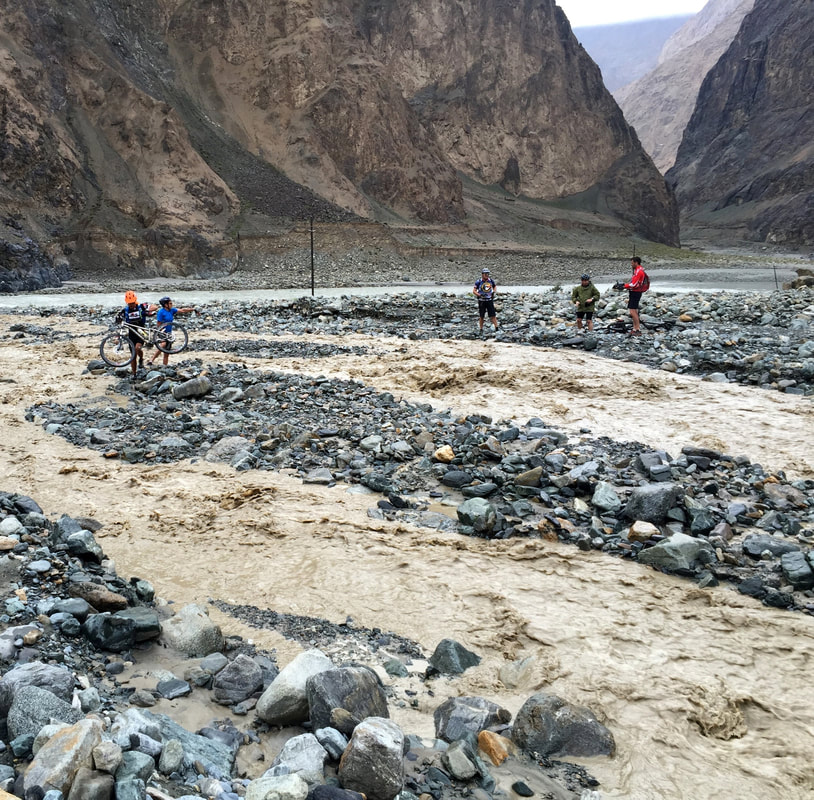
Rain in the barren valleys triggering a flash flood careful maneuvering through jeep tracks
The nights, we spent in tents. Some felt the impact of the altitude as we continuously trudged on at 3000 to 4000m above sea level, but at least the well-insulated sleeping bags helped guard against the cold. The early morning sunrise was the best time to enjoy the scenery the sky was mostly clear, and the fresh light uniquely illuminated the surrounding peaks. After a quick breakfast, some minimum bodily hygiene routine, and a final check of the bikes, clean legs pushed the pedals on. The occasional simple four-walled hut made from natural stone and plastered with dung where herdsmen watch their goats and sheep on the slopes brought some life into this seemingly barren land. Small alpine flowers added colours to the overall rocky ground.
  
The first few days at higher elevation were followed by long downhills towards the lower areas, entering valleys and enjoying the apparent rise in temperature. Only the earlier specially obtained permits allowed access to these more remote but more inhabited areas. Here, regular police checkpoints required a regroup followed by a very detailed check of passports and permits by the very strict Han Chinese soldiers. No photos allowed!
Picture
Snowy peaks of the Pamir Mountains
Picture
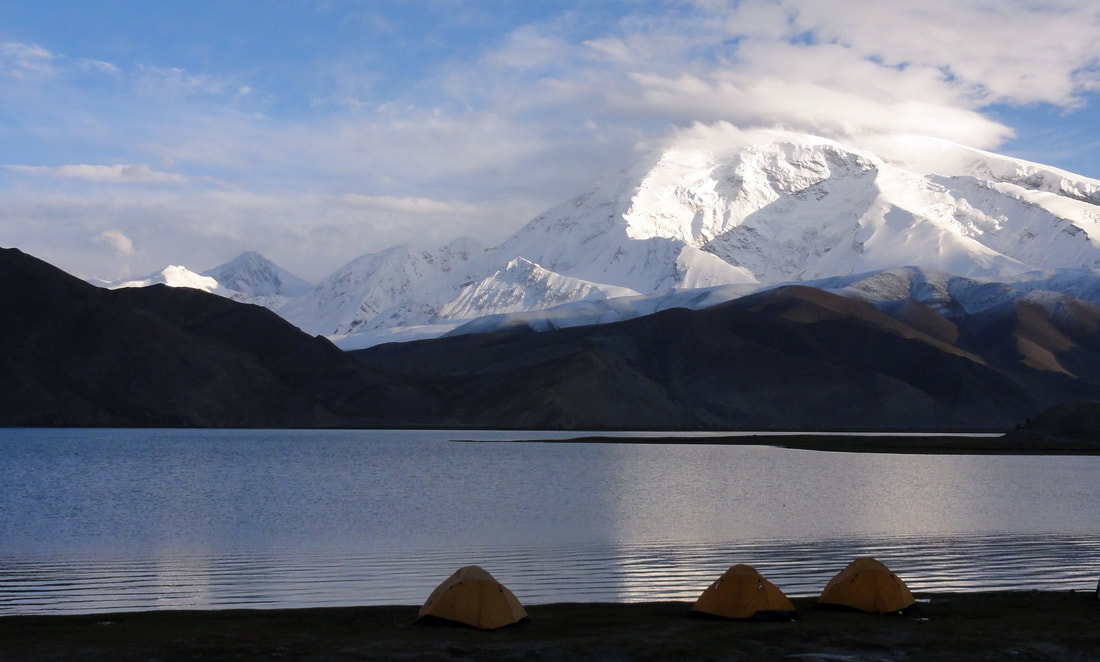
Camping overnight in tents, with views of the majestic Mt Kongur in the morning sun
The steep valleys were lined by tall, vertical rock walls and boasted some cold, fast-flowing rivers. The occasional village which appeared like a green oasis was inviting. The inhabitants welcomed the rare sight of some western-looking enthusiastic cyclists. The locals are very friendly, though not blessed with riches we were welcomed into their simple houses where tea and bread were served. The locals make a living by growing maize, sunflowers, walnuts, and vegetables. Here and there, a few sheep, goats, or cows provide milk and occasionally meat. Water for drinking or irrigation is obtained from nearby streams. It was surprising to note that electricity had already reached the bigger and more frequented valleys. However, donkeys are still the primary means of transport.
  
On Day 5, we found an earlier heavy rainfall had triggered a landslide covering the dusty jeep road for a few hundred metres. Since this massive stream of boulders, rocks and mud were still in motion, it was far too dangerous to cross. Despite this being our earlier planned and permitted route, we had to find an alternative. Adjusting the course by cycling up the nearby valley and trying to set up the tents for the night in a different village caused a significant issue with the local authorities (in almost every village there is already an official of Han Chinese background ensuring Beijing’s views are followed.
 
Although the reason was obvious, it took some long and intense negotiations, always trying to avoid any loss of face, for the official, to finally agree and grant permission to spend the night in a village “not as scheduled and approved” by the authorities. Visiting a local school, we had a very warm welcome from smiling school kids and their teacher. It was sad to note that presents like exercise books and writing utensils we had brought to donate were not welcomed by the authorities. 
Picture
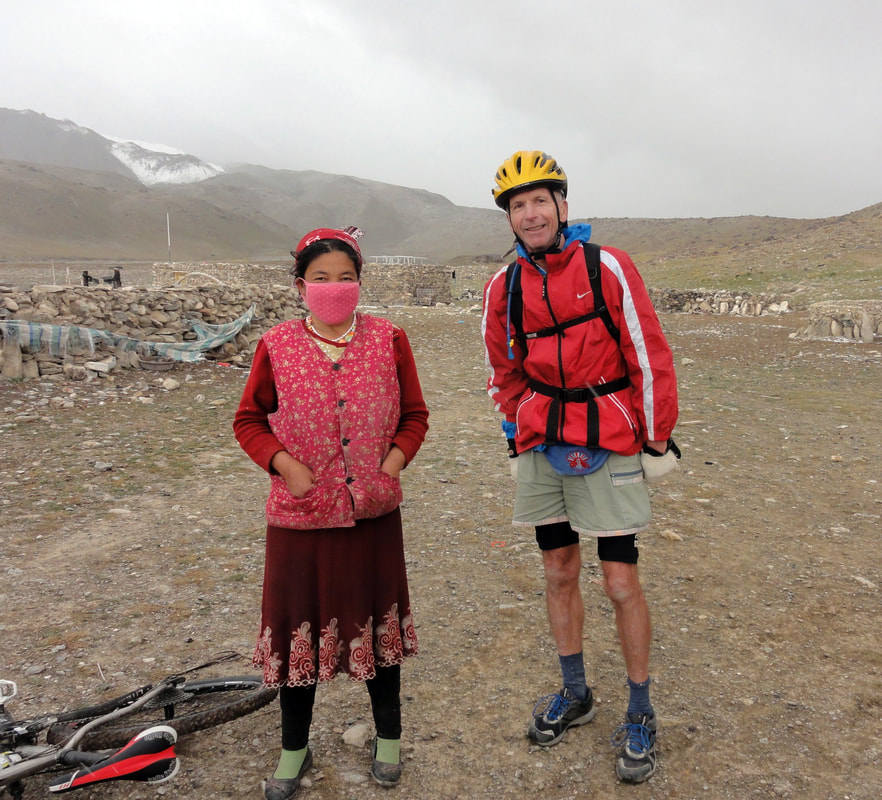
The author with a friendly local
Picture
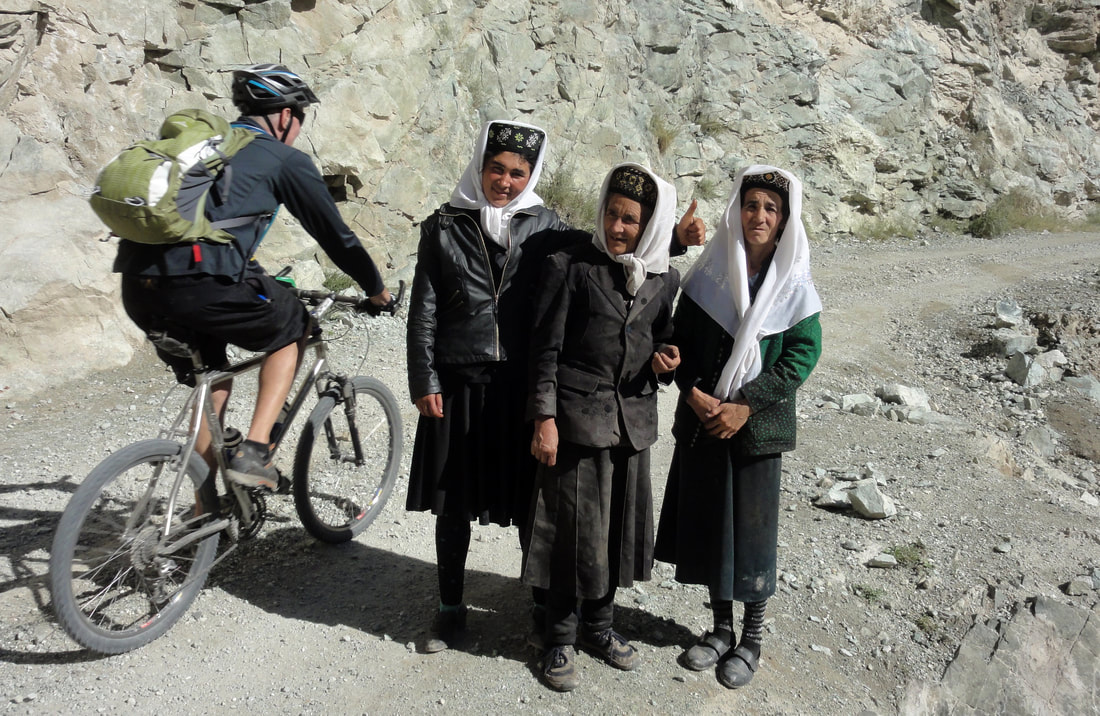
‘Farangs’ meet the locals
Picture
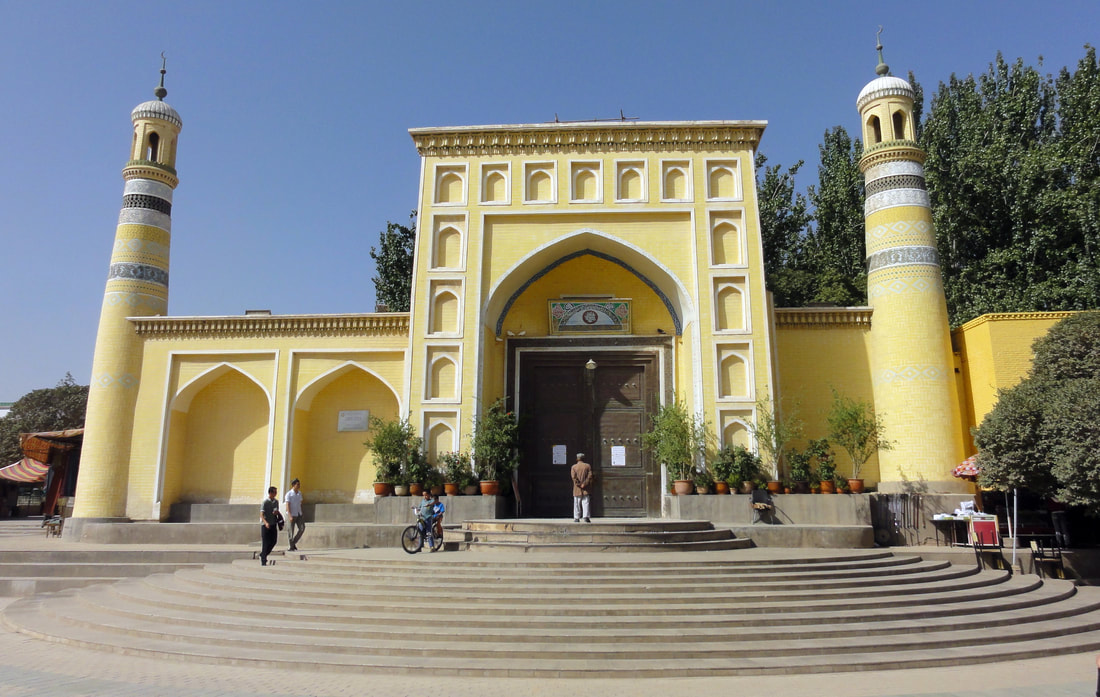
The historic Id Kha Mosque in Kashgar, dating back to 1442
Picture
Street vendors in Kashgar – all Halal
Despite the strict control, the area is not too far from the Afghanistan and Pakistan borders and close to an area under Taliban rule, it was, in a way, a good feeling that the watchful eyes of the authorities reduced the chances of people getting kidnapped.
 
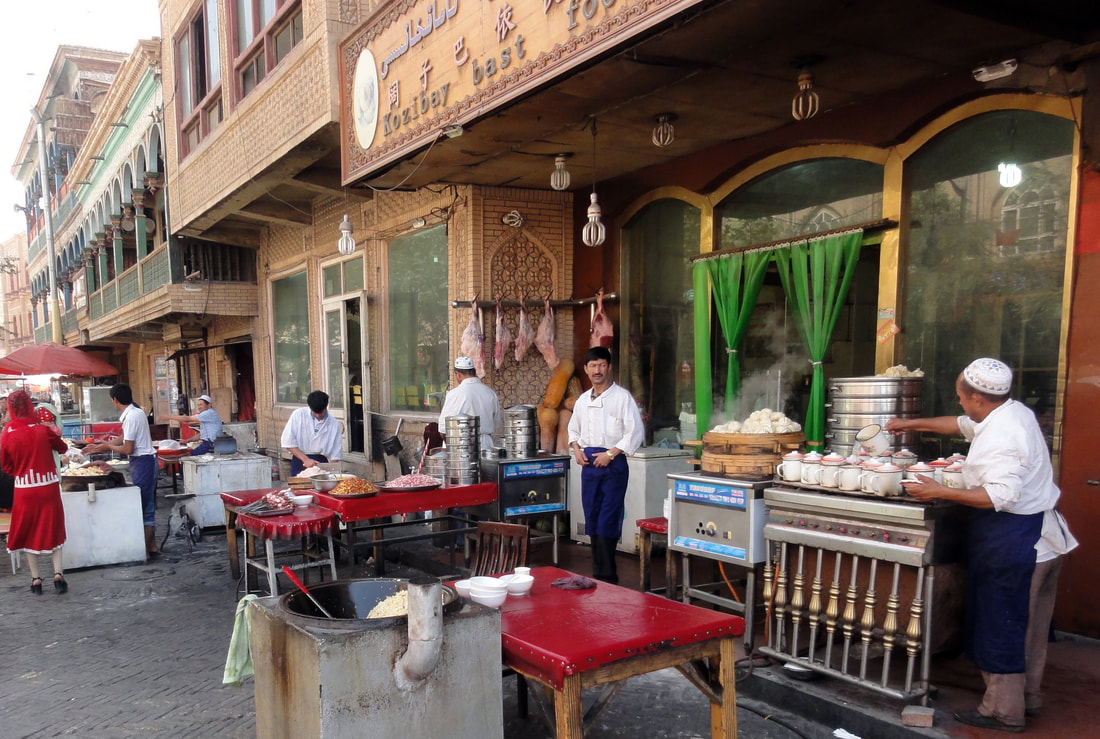
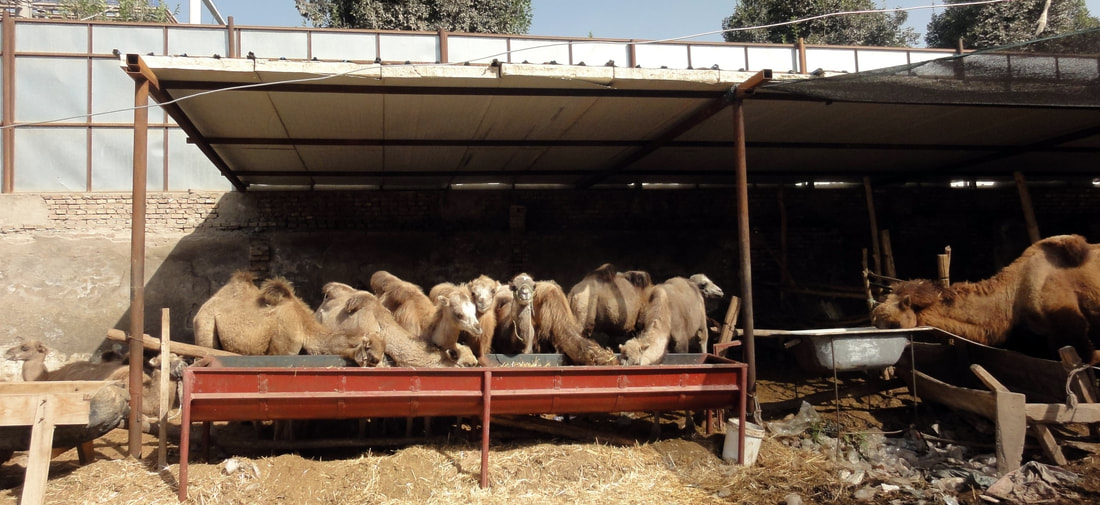
After some further days of gentler riding through valleys of rustic beauty, moderate temperatures, friendly locals, with basic facilities, the return to Kashgar were like a transformation back to reality. This lively city, which reflected the cities in Eastern Turkey of 30 years ago, provided many modern amenities as well as heritage, like the historic Idkha Mosque, built in 1442 and traditions like the local camel market. The stay in the former Russian Consulate-turned-hotel, the variety of food, and the well-appreciated local beer completed another adventure for this group of longtime friends which dates its origin to running with the Hash House Harriers in the ’80 and ‘90s in Taipei. On to ongoing friendship and new vistas in the years to come.
Picture
Kashgar’s camel market
Comments
<<Previous
Forward>>

    RSS Feed

    Picture
    Picture

    Categories

    All
    Attractions
    Business
    Crime
    Dining
    Diplomats
    Expat Women
    Fashion
    Feature
    Gourmet
    Health
    History
    Hotels
    Hot List
    Hua Hin
    Insight
    Motoring
    Patpong
    Schools
    Special Discs
    Sport
    Steak
    Technology
    Travel


    calendar of events


    Picture
Picture
About  |   Emag  |  Subscribe (print)  |  Newsletter |  Contact Us  | Advertise 

FOLLOW US

CURRENT ISSUE

Jan 2021
FEB 2021
March 2021
April 2021
May 2021
June 2021
August
October
November 2021
December 2021
March- April 2022
Copyright © The BigChilli Co., Ltd. All Rights Reserved.
Tel: 089 777 9697 
email: [email protected]
  • Home
  • News
  • Promotions
  • Features
  • Social Events
  • About Us
    • About Us
    • The team
    • Pricavy Policy
  • Contact us
  • Blog